
Disney Vacation Club Calculator
Posted On December 18, 2025

A Disney Vacation Club calculator helps prospective buyers determine how many points they need and whether DVC ownership provides better value than booking Disney resort rooms at rack rates. Understanding how to use these calculation tools ensures accurate comparisons and informed purchasing decisions.
What DVC Calculators Measure
DVC calculators analyze several key metrics to help buyers evaluate ownership value. Primary calculations include determining appropriate point allocations based on vacation frequency, comparing total DVC costs to equivalent hotel rates, and projecting break-even timelines for purchase price recovery. These tools transform complex ownership variables into understandable figures.
Most calculators require inputs including desired resort, room type, travel dates, vacation frequency, and ownership duration. They then output total points needed, estimated annual dues, and cost comparisons against standard Disney resort pricing. Sophisticated calculators also factor in annual dues increases and potential resale value at ownership end.
Calculating Your DVC Point Needs
Determining the correct point allocation starts with understanding DVC point charts. Each resort publishes charts showing nightly point requirements by room type and season. Studios require the fewest points (typically 10-25 per night), while grand villas need the most (75-150+ per night). Seasonal variations create significant differences between low and high demand periods.
A practical calculation approach involves mapping your typical vacation patterns. For example, a family needing a one-bedroom villa for seven nights during regular season at Saratoga Springs would need approximately 140-168 points annually. Those same accommodations during peak Christmas season might require 210+ points for the identical stay duration.
Cost Per Night Calculations
Understanding your effective DVC cost per night requires dividing total ownership expenses by anticipated nights of use over your ownership period. Total costs include initial purchase price, closing costs, and cumulative annual dues through the contract expiration year. This calculation reveals whether DVC provides genuine savings versus alternative booking methods.
For example, purchasing 150 points at $40 per point ($6,000) plus $500 closing costs, with annual dues averaging $7 per point over 30 years ($31,500 cumulative), totals approximately $38,000. If those 150 points provide 10 nights annually for 30 years (300 total nights), the effective cost equals approximately $127 per night for deluxe villa accommodations.
Break-Even Analysis Calculations
Break-even calculations determine how many years of DVC usage are needed before ownership costs become favorable compared to equivalent rack-rate bookings. This analysis compares DVC total costs against what you would spend booking the same accommodations directly through Disney resort reservations.
Current rack rates for deluxe villa accommodations at Walt Disney World range from $400-1,200+ per night depending on resort and season. Using the previous example, if equivalent rooms cost $600 nightly, ten annual nights represent $6,000 yearly spending. At $38,000 total DVC cost over 30 years (averaging $1,267 annually), DVC provides $4,733 annual savings, achieving break-even after approximately 8 years.
Factoring Annual Dues Increases
Accurate DVC calculations must account for annual maintenance fee increases, which historically average 3-5% yearly. A contract with current dues of $7.50 per point will likely cost $12-15 per point in 15 years and potentially $20+ per point by ownership end, assuming historical increase patterns continue.
Sophisticated calculators model these increases using compound growth formulas, providing more realistic total cost projections than static calculations. Buyers should use conservative estimates (5% annual increases) rather than optimistic projections to ensure calculations represent worst-case scenarios they can financially manage.
Resale Value Considerations
Some DVC calculators include projected resale value as an ownership offset. While DVC points have historically maintained reasonable resale values, no calculator can guarantee future market conditions. Conservative calculations assume zero resale value, treating any eventual sale proceeds as bonus recovery rather than planned return.
Factors affecting future resale value include remaining contract years, resort popularity, Disney policy changes, and overall timeshare market conditions. Contracts approaching expiration (final 10-15 years) typically see significant value depreciation, while longer-term contracts maintain stronger resale positions.
Using Calculator Results Effectively
DVC calculator outputs should inform rather than dictate purchasing decisions. The numbers provide framework for evaluation, but personal factors like commitment to Disney vacations, family circumstances, and vacation flexibility preferences equally influence whether DVC ownership makes sense for specific buyers.
Buyers finding marginal or negative calculator results might still benefit from DVC ownership if they value the guaranteed access to specific room types, appreciate the vacation planning motivation ownership provides, or prioritize the Disney resort experience over pure financial optimization.
Common Calculator Mistakes to Avoid
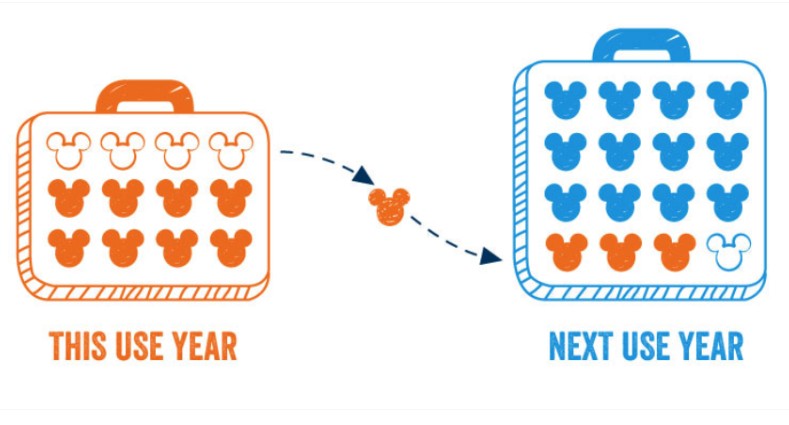
Several errors commonly undermine DVC calculator accuracy. These include using optimistic dues increase assumptions, overestimating annual vacation frequency, ignoring banking and borrowing limitations, and comparing DVC to moderate resort pricing rather than equivalent deluxe accommodations. Accurate inputs produce useful outputs; inflated assumptions generate misleading results.
Additionally, buyers should calculate scenarios with different point allocations to identify optimal purchasing levels. Sometimes purchasing slightly more points provides better per-night value than minimum allocations, particularly when factoring volume discounts from larger contract purchases.
Conclusion
In conclusion, using a Disney Vacation Club calculator is a critical step in making an informed decision about DVC ownership. By understanding the various factors and calculations involved, prospective buyers can better assess whether DVC membership aligns with their vacation habits and financial goals. It's important to approach these tools with realistic expectations and to consider personal vacation preferences alongside the numerical data provided by the calculators.