
Sell DVC Membership
Posted On December 18, 2025

Selling your DVC membership involves understanding the resale process, setting appropriate expectations, and working with qualified brokers to connect with buyers. Whether life circumstances have changed or you're simply ready to exit ownership, proper preparation helps maximize your sale proceeds and minimize transaction stress.
Understanding Your DVC Ownership
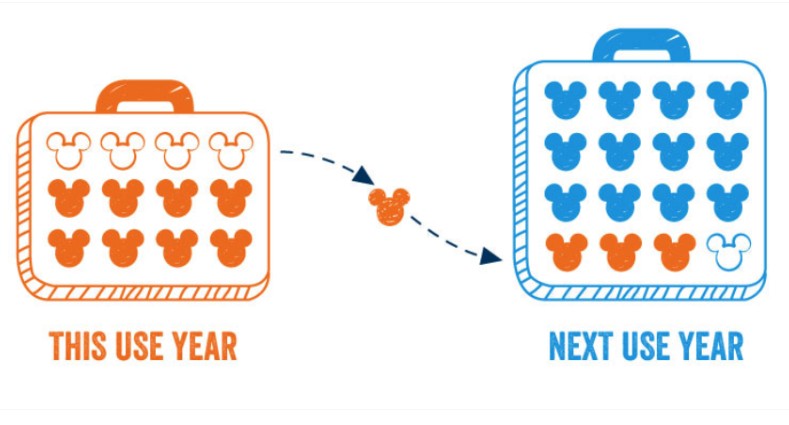
Before listing your DVC membership for sale, gather key information about your ownership. This includes your home resort, point allocation, use year, contract expiration date, and current point status including banked points, current-year points, and any borrowed points. Having this information readily available streamlines the listing process and helps brokers accurately represent your contract.
Verify your annual dues are current and check for any outstanding obligations. Delinquent dues must be cleared before ownership can transfer, potentially complicating sales or reducing net proceeds. Being current on all obligations positions your contract for smooth transaction processing.
Determining Market Value
DVC membership values vary based on resort, point allocation, contract characteristics, and current market conditions. Research recent sales prices for comparable contracts at your home resort to establish realistic expectations. Per-point prices typically range from 100-175 depending on resort desirability, with premium locations commanding higher values.
Factors affecting your contract's value include remaining years until expiration, current point status, and overall market demand. Contracts with banked points may command slight premiums, while stripped contracts or those with borrowed points may sell for less. Experienced brokers can provide market analysis based on current activity.
Additional Considerations
Beyond the basic factors, consider the broader economic environment and Disney's own pricing strategies. Generally, economic downturns may see a decrease in demand and pricing, while a bullish economy might boost interest and sales prices. Disney's occasional direct sales promotions can also affect the resale market, as they might offer incentives that make buying direct more attractive during certain times.
Choosing a Resale Broker
Selecting the right broker significantly impacts your selling experience. Look for licensed Florida real estate brokers specializing in DVC transactions who understand the unique aspects of timeshare resales. Key evaluation factors include commission rates, marketing reach, communication quality, and transaction support throughout the process.
Interview multiple brokers before making decisions. Ask about their current listing inventory, average days on market, marketing strategies, and fee structures. Quality brokers should provide clear explanations of their processes and realistic assessments of your contract's marketability and expected sale timeline.
Ensuring Broker Credibility
It's crucial to verify the broker's credentials and reputation. Check for any complaints or reviews online, and see if they are members of recognized industry associations. This can provide peace of mind that you're working with a reputable professional.
Listing Your DVC Membership
Listing involves signing a listing agreement authorizing the broker to market your contract and represent you in negotiations. Review agreement terms carefully, including exclusivity provisions, commission rates, listing duration, and cancellation procedures. Understand your obligations before signing.
Provide accurate contract information for listing creation. Misrepresentation of points, use year, or other details creates problems during transactions and may result in failed closings. Verify all information with your DVC membership materials before confirming listing details.
Marketing Your Listing
A well-marketed listing can significantly enhance your chances of a successful sale. Ensure your broker uses multiple channels, including online listings, social media, and email campaigns, to reach potential buyers. High-quality images and detailed descriptions can also make your listing stand out.
Setting Your Asking Price
Pricing strategy balances maximizing proceeds with achieving reasonable sale timelines. Overpriced listings sit on market without activity, while underpriced contracts sell quickly but leave money on the table. Broker guidance based on recent comparable sales helps identify appropriate pricing.
Consider your timeline when setting prices. Sellers needing quick sales may price more aggressively, while those with flexibility can test higher prices initially and adjust if needed. The market ultimately determines sale prices through buyer willingness to pay.
Adjusting to Market Feedback
Once your listing is live, monitor the interest and feedback from potential buyers. If your listing isn't attracting offers, it might be time to reassess your pricing strategy or enhance your marketing efforts. Staying flexible and responsive to market conditions can help ensure a successful sale.
The Negotiation Process
When buyers submit offers, your broker presents them for review and response. You can accept offers, reject them, or counter with modified terms. Negotiation typically focuses on price, but may also involve earnest money amounts, closing timelines, and handling of current-year points.
Be prepared for offers below asking price - negotiation is normal in real estate transactions. Your broker can advise on competitive offer levels and whether counter-offers are likely to succeed based on market conditions and buyer behavior.
Understanding Right of First Refusal
After you accept a buyer offer, the contract goes to Disney for Right of First Refusal (ROFR) review. During this approximately 30-day period, Disney evaluates whether to purchase your contract at the agreed price. Disney exercises this right on some transactions, particularly those priced below market levels.
If Disney purchases your contract through ROFR, you still complete the sale - Disney simply becomes the buyer rather than the original purchaser. Your proceeds are identical regardless of who ultimately buys. If Disney waives ROFR, the transaction proceeds to closing with the original buyer.
Closing and Funds Distribution
Following ROFR waiver, the transaction moves to closing through a title company. You'll receive closing documents requiring signatures and notarization. The title company handles deed preparation, ownership transfer recording, and funds disbursement to all parties.
From closing, expect to receive funds within several days to two weeks depending on processing procedures. Your net proceeds equal the sale price minus broker commission, closing costs, and any outstanding obligations. Title companies provide detailed closing statements showing all calculations.
Final Steps and Considerations
Ensure all documents are thoroughly reviewed before signing, and maintain communication with your broker and title company throughout the process. This vigilance helps prevent any last-minute issues and ensures a smooth completion of your sale.
Working with DVC Sales
DVC Sales provides comprehensive seller services including market analysis, professional listing creation, buyer marketing, negotiation support, and closing coordination. Our experienced team guides sellers through each transaction phase, maximizing both proceeds and experience quality. Contact us to discuss selling your DVC membership and receive a current market valuation.