



Emergency Support: Getting Help with Your DVC Transaction
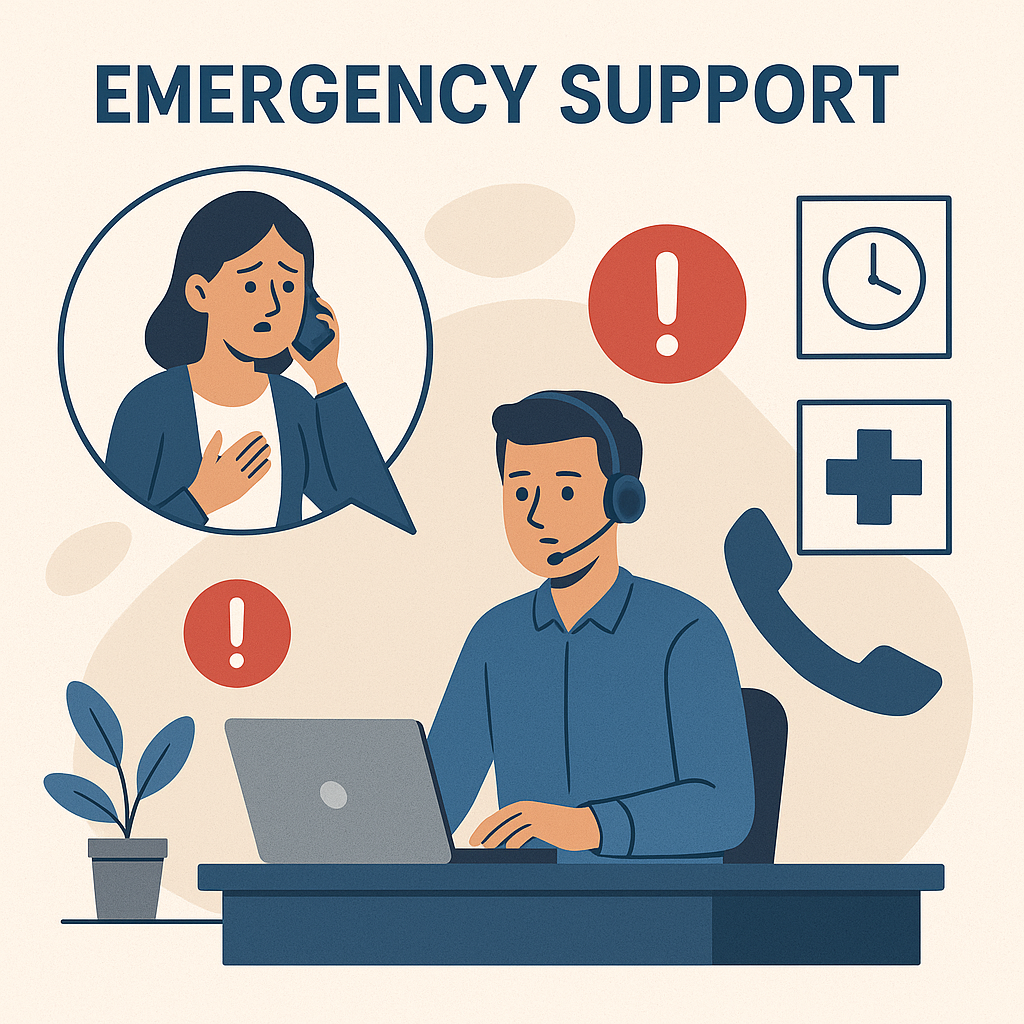
DVC resale transactions involve multiple parties, strict deadlines, and significant financial commitments. When urgent situations arise, knowing exactly where to turn for help can save your closing. We've guided hundreds of families through these transactions, and we understand that even well-planned purchases can hit unexpected snags.
The key is recognizing what constitutes a true emergency versus a routine delay, and having the right contact information ready when you need it.
What Qualifies as a Transaction Emergency
Not every hiccup requires urgent intervention. True emergencies typically involve hard deadlines that could kill your transaction if missed. Document signing deadlines approaching within 24-48 hours, wire transfer problems on closing day, or sudden communication blackouts from key parties all require immediate attention.
Missing a document deadline can void your purchase contract. Wire transfer issues can delay your closing and potentially cost you the contract if the seller has backup offers. Communication breakdowns might signal problems with title work or ROFR processing that need immediate resolution.
By contrast, routine delays in receiving status updates, minor questions about the process, or general anxiety about timeline progression don't typically require emergency support. These situations can wait for normal business hours.
Your Broker: First Line of Defense
Your resale broker handles these situations regularly and has established relationships with all parties in your transaction. We maintain multiple contact methods specifically because DVC transactions can have time-sensitive elements that don't respect business hours.
When you contact your broker about an urgent situation, provide specific details about the deadline, the nature of the problem, and what you've already tried to resolve it. This helps us triage the situation quickly and determine the best course of action.
For example, if you're traveling and can't access your email to review closing documents due tomorrow, we can often arrange mobile notary services or electronic signing options. But we need to know about the situation as soon as possible to make alternative arrangements.
Title Company Resources
Your closing coordinator at the title company manages document preparation, fund collection, and coordination between all parties. They're your direct resource for issues related to closing documents, wire instructions, recording requirements, or questions about what happens at closing.
Title companies typically assign a specific coordinator or escrow officer to your file who knows your transaction details. This person can answer questions about required documents, explain wire transfer procedures, and clarify timeline expectations for your specific closing.
If you can't reach your assigned coordinator immediately, most title companies have backup support staff who can access your file and provide assistance for urgent matters.
When to Contact Disney Member Services
Disney Vacation Club Member Services doesn't manage resale transactions, but they become relevant once Disney registers you as the new owner. They handle membership activation, account setup, online access, and reservation assistance.
If your closing has completed but you can't access your online account or make reservations, Member Services can help verify your ownership status and activate your membership benefits. They're available through the official Disney Vacation Club website and can address questions about point availability, booking procedures, and membership features.
Document Deadline Emergencies
Document signing deadlines create some of the most stressful emergency situations. If you realize you can't meet a signing deadline, contact both your broker and the title company immediately. In many cases, they can arrange extensions or alternative signing methods.
Mobile notary services can bring documents to your location if travel prevents you from visiting the title company office. Some states and title companies also offer electronic signing options that allow remote document execution. However, these alternatives require advance coordination and may not be available in all situations.
The worst approach is to miss the deadline without communication. Even if you think you might miss it, early warning allows all parties to explore solutions and potentially adjust timelines.
Wire Transfer and Funding Problems
Wire transfer issues on closing day can derail your transaction if not resolved quickly. Banks sometimes flag large wire transfers for additional verification, especially if the amount or recipient is unusual for your account.
If your bank questions the wire instructions, contact your title company immediately for verbal verification. Never send funds based solely on emailed wire instructions without confirming them by phone. Wire fraud attempts targeting real estate transactions are common, and legitimate title companies expect you to verify instructions independently.
If funding delays occur on your side, inform your broker and title company immediately. They can communicate with the seller's representatives about timeline adjustments while you resolve the banking issue. Transparent communication often prevents misunderstandings that could jeopardize your contract.
Communication Breakdowns
Extended silence from key parties in your transaction can indicate problems requiring attention. While some delays are normal, particularly during ROFR review periods, unexpected communication blackouts warrant investigation.
If you haven't received expected updates, reach out proactively to your broker or title company. A simple inquiry can determine whether your transaction is proceeding normally or requires intervention to get back on track.
Maintain current contact information with all parties throughout your transaction. If your phone number, email address, or availability changes, update everyone immediately to ensure important communications reach you without delay.
After-Hours Emergency Response
Some urgent situations arise outside normal business hours, particularly with wire transfers or document deadlines. While immediate resolution isn't always possible, documenting the issue and communicating it promptly ensures attention when offices reopen.
Many experienced brokers monitor email even after hours for truly urgent matters. However, understanding that real estate transactions operate within standard business hours helps set realistic expectations for response times.
True emergencies requiring immediate evening or weekend action are rare in typical DVC transactions. Most situations that feel urgent can actually wait until the next business day without jeopardizing your closing.
Prevention Through Proactive Communication
The best emergency support is preventing emergencies from occurring. Prompt responses to document requests, quick return of signed paperwork, and staying engaged throughout your transaction keep closings on schedule and reduce urgent situations.
Familiarize yourself with typical DVC transaction timelines and potential bottlenecks. Understanding the sequence of events helps you anticipate issues before they become emergencies. Regular check-ins with your broker and title company ensure everyone stays aligned on timeline expectations.
Keep important contact information easily accessible, including your broker's phone and email, your title company coordinator's direct contact, and any after-hours emergency numbers provided. Having this information readily available eliminates delays when urgent situations do arise.
Technology Tools for Transaction Management
Digital tools can help you stay organized and avoid emergency situations. Many buyers find it helpful to set calendar reminders for document deadlines, wire transfer dates, and other critical milestones in their transaction.
Email filters and folder organization keep important transaction communications separate from routine messages, making it easier to find critical information when you need it. Some buyers create dedicated email folders for their DVC purchase to centralize all transaction-related correspondence.
However, don't rely solely on technology for deadline management. Human communication with your broker and title company remains the most reliable way to ensure your transaction stays on track and avoid emergency situations requiring urgent intervention.