




One of the most common questions we hear from sellers is some version of "how long is this going to take?" It's a fair question, especially when you're counting on those proceeds to fund something else. The short version is about 30 days from the day you list your contract to the day the funds land in your account. That number can feel surprisingly tight once you see everything that happens, so it helps to understand what's actually going on at each stage and where the time goes. The process isn't complicated, but it does have a few fixed intervals that can't be rushed.
Step 1: Finding a Buyer (1 to 30 Days)
The first stage is the most variable. Some contracts find a buyer within a week. Others take closer to a month. What drives that difference is almost entirely price and resort popularity.
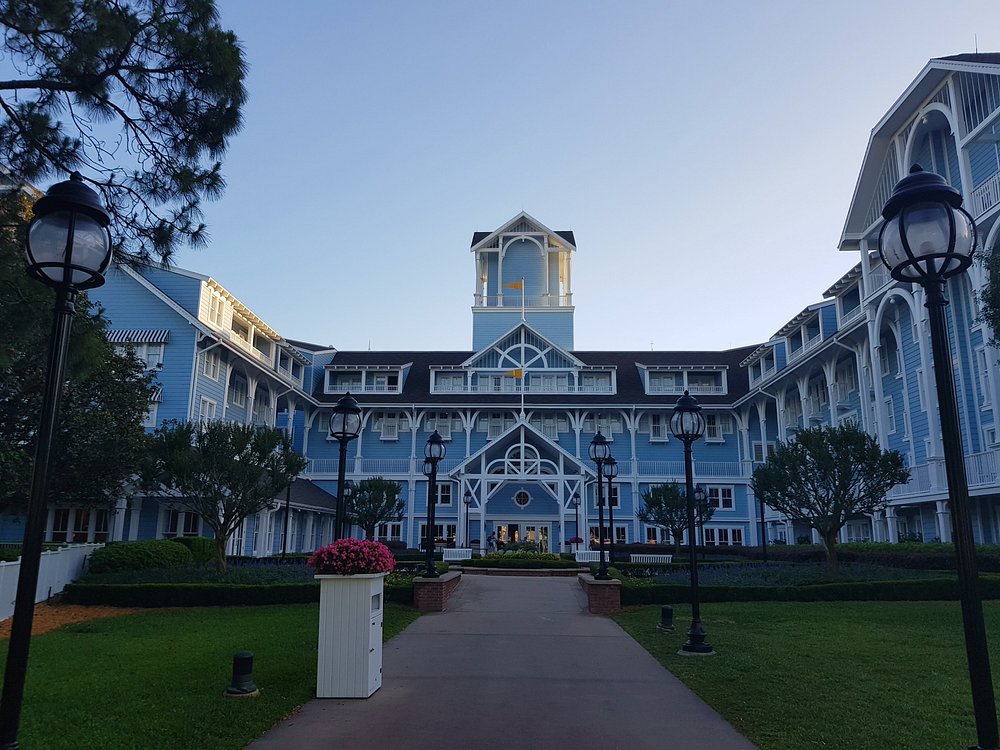
A well-priced Beach Club or Polynesian contract tends to move quickly. Both resorts carry strong demand from buyers who want the 11-month home resort booking window at those specific properties. Beach Club sits on Crescent Lake next to EPCOT, and Polynesian gives home resort priority for the monorail loop. Buyers who want those locations know what they're worth and don't wait around when a fairly priced contract hits the market. We've seen contracts like these receive offers within a week of listing.
Contracts at Vero Beach or Hilton Head tend to sit longer, often a few weeks before the right buyer comes along. Vero Beach carries the highest annual dues of any DVC resort at $14.89 per point in 2026, which narrows the buyer pool. Hilton Head is at $12.86 per point. Buyers looking at those resorts are usually very intentional about it, and that intentionality takes time to find.
Pricing relative to recent comparable sales is the single biggest factor you control. A contract priced at or below what similar contracts have sold for recently will attract interest fast. A contract priced above that range can sit for weeks while buyers compare it to better-valued options on the same listing pages. We share current market data with every seller before pricing so there's no guessing. If you want to see where contracts in your resort are actually trading right now, our DVC resale value calculator gives you a real-time read on the market.
We list contracts across three MLS systems plus our own buyer database, which means your contract gets exposure to buyers who are already in the process of looking. That distribution matters. A seller listing through a smaller operation without MLS access will simply reach fewer buyers, and that translates directly into a longer wait for an offer.
Points also play a role. A contract loaded with current-year points is more attractive than one that's been stripped. Buyers are paying for the right to use those points, so a contract with banked or current-use points available is a more complete purchase. Sellers who have been unable to use their points in recent years are often in a better position than they realize.
Step 2: Disney's Right of First Refusal (About 30 Days)
Once a seller and buyer sign a purchase contract, it goes to Disney for the Right of First Refusal review. This is the step that surprises most sellers who haven't sold DVC before, and it is the main clock for the whole transaction. Disney has about 30 days to decide whether they want to step into the buyer's position and purchase the contract themselves at the exact price and terms in your agreement.
In most cases, Disney passes. They exercise ROFR on a small percentage of contracts, and when they do, it's typically because the contract was priced unusually low relative to current market conditions.
What happens if Disney does exercise ROFR? For the seller, nothing changes. You receive the same price you agreed to with the original buyer. The commission stays the same. Your net proceeds are identical. Disney simply replaces the buyer, and the transaction continues to closing on the same terms. We'd suggest thinking of ROFR not as a risk but as a floor. If Disney wants to purchase your contract at your agreed price, that price was good enough for Disney. The original buyer exits the transaction, but you're not losing anything.
Our commission is 6.9%, compared to the industry average of 9.5%. That difference on a larger contract adds up to real money in your pocket. If you want to see a full breakdown of what you can expect to net from a sale, our cost to sell DVC page walks through every fee in detail.
The roughly 30-day ROFR window sets the pace. Disney doesn't process faster because you're in a hurry, and there's no mechanism to shorten it. It's simply the interval you build into your expectations before you list.
Step 3: Estoppel and Title Work (Overlapping)
Here is the part that keeps the overall timeline near 30 days: the estoppel and title work happen inside the same window as ROFR rather than after it. Disney issues what's called an estoppel certificate, a document that confirms the point balances on the contract, including banked points, current-year points, and any borrowed points. It's essentially Disney's official record of the membership's point status, and it's required before closing can happen.
Title work runs in the background at the same time. The title company searches for any liens or encumbrances on the timeshare deed, prepares the closing documents, and coordinates with both parties. Because all of this is moving while the ROFR clock ticks, none of it adds a separate block of waiting on top of the 30 days. It finishes up right around the time ROFR clears.
There's nothing the seller or buyer needs to do during this period except wait. It's the quiet stretch of the transaction, and it usually passes without incident.
Step 4: Closing (About 1 Week After ROFR Clears)
Once ROFR clears and the estoppel and title work are complete, closing documents go out. DVC closings happen remotely. You sign the documents electronically or by notarized mail, the buyer's funds transfer to escrow, and the deed records with the county. Most sellers receive their proceeds within a few days of signing closing documents, which is why the final stretch lands at about a week.
The seller's out-of-pocket closing cost is the $150 Disney Estoppel Fee. The buyer pays the $500 Disney Administration Fee. Beyond that, costs are minimal on the seller's side. The commission we already discussed is the primary cost of the transaction.
If you add it up: a week or less to get the offer, about 30 days for ROFR with estoppel and title work overlapping inside it, and roughly a week to close once ROFR clears. For a well-priced contract that finds a buyer fast, the whole thing comes together in about 30 days. A slower-moving resort that takes a few weeks to attract the right buyer pushes the front end out a bit, but the back half stays the same. Both paths are normal.
What Speeds Up a Sale
The sellers who move through this process on the faster end of the range typically share a few things in common. Their contract is priced at or below comparable recent sales. Their contract has current-year points available, either current use-year points or banked points from the year prior. And their home resort has broad buyer appeal, meaning resorts like Beach Club, Polynesian, Grand Floridian, or Bay Lake Tower where the 11-month booking window carries real value to buyers.
We'd also add that sellers who respond quickly to document requests during the closing phase help themselves. When a closing coordinator needs a signature or a piece of information and gets it the same day, the file moves. Delays in document turnaround can push the closing date by days or occasionally longer.
What Slows It Down
Contracts priced above what the current market supports are the most common reason a listing sits longer than it should. We've seen sellers hold a price they believe is fair based on what they paid or what they've seen listed elsewhere, only to watch the contract sit while competitively priced options nearby sell. Listing price and sale price are not the same thing, and in a market where buyers can comparison shop across hundreds of contracts, overpricing has a real cost measured in weeks.
Stripped contracts, meaning those with no current-year or banked points available, are harder to sell. The buyer is purchasing future points rather than usable points today, which reduces the urgency to act. If you've used this year's points and last year's banking window has already passed, you're selling a contract that won't have usable points until the next use year begins. Some buyers are fine with that and price it into their offer. Others pass entirely.
Vero Beach and Hilton Head take longer not just because of dues but because the buyer pool is genuinely smaller. Vero Beach at $14.89 per point in annual dues means a 200-point contract costs nearly $3,000 per year just in dues, and the resort is in Florida, not at a Disney theme park. That's a purchase that requires a specific buyer with a specific plan, and those buyers take more time to find.
A small number of sales do fall out of contract before closing, usually because of financing issues on the buyer side. When that happens, the contract goes back to market and the timeline resets. It's not common, but it's worth knowing it can happen. Cash buyers close more reliably than financed buyers, and we work to attract both.
A Note on Expectations
Sellers who go into this process expecting about 30 days typically have a smoother experience than sellers who pictured it wrapping up in a week. The biggest source of frustration we see is sellers who didn't account for the ROFR period and then feel like something has gone wrong while Disney takes its 30 days to review. Nothing has gone wrong. That's just how it works, and it's the same review every contract goes through.
If your timeline is flexible, pricing competitively from the start almost always results in a faster, cleaner transaction. If you need to close by a specific date, let us know before you list. We can build that constraint into the pricing strategy and buyer targeting so you have the best chance of hitting your window.
You can browse active contracts across every DVC resort right now at our DVC resale listings page to get a sense of what's on the market and how your contract compares. Or call us at (407) 205-1435 and we'll walk through your specific contract, what it's likely worth, and what a realistic timeline looks like for your situation.






Got Something on Your Mind?
Your email address will not be published. Required fields are marked *