




When people ask us what makes DVC ownership different from a hotel stay, the booking windows come up every time. They're not complicated once you understand the structure, but they matter enormously for how you plan your trips, which resort you choose to own at, and whether you get the room you actually want. This is one of the most practical things to understand before you purchase, and it's worth taking the time to get it right.
The Core Rule: 11 Months and 7 Months
Every DVC member gets two booking windows. At your home resort, the window opens 11 months before your check-in date. At every other DVC resort, it opens 7 months before check-in. That four-month gap is the foundation of the entire DVC reservation system, and it's the main reason home resort selection matters so much when you're deciding where to purchase.
The calendar is based on check-in date, not check-out date. If you're planning a five-night trip that starts on December 23rd, your booking window opens based on December 23rd. A Beach Club owner can call at exactly midnight on January 23rd, eleven months earlier, and lock in that reservation. A non-owner of Beach Club has to wait until May 23rd, at the 7-month mark, to try for the same room.
The midnight detail is not a footnote. Reservations open at 12:00 a.m. Eastern Time, and at popular resorts during peak seasons, the difference between logging in at midnight and logging in at 7:00 a.m. can mean the difference between getting a studio and finding nothing available. Experienced DVC members set alarms. They're on the phone or logged into the member site the moment the clock turns. We've heard from sellers who've owned at Beach Club for fifteen years, and to a person, they treat the 11-month window like an appointment they cannot miss.
Why It Fills So Fast at Certain Resorts
Not every DVC resort has the same demand pressure. Some resorts have so much inventory that even arriving at 7 months gives you plenty of choices. Others, particularly the studio categories at a handful of resorts, fill up within hours of the 11-month window opening. Understanding which is which will shape your entire ownership experience.
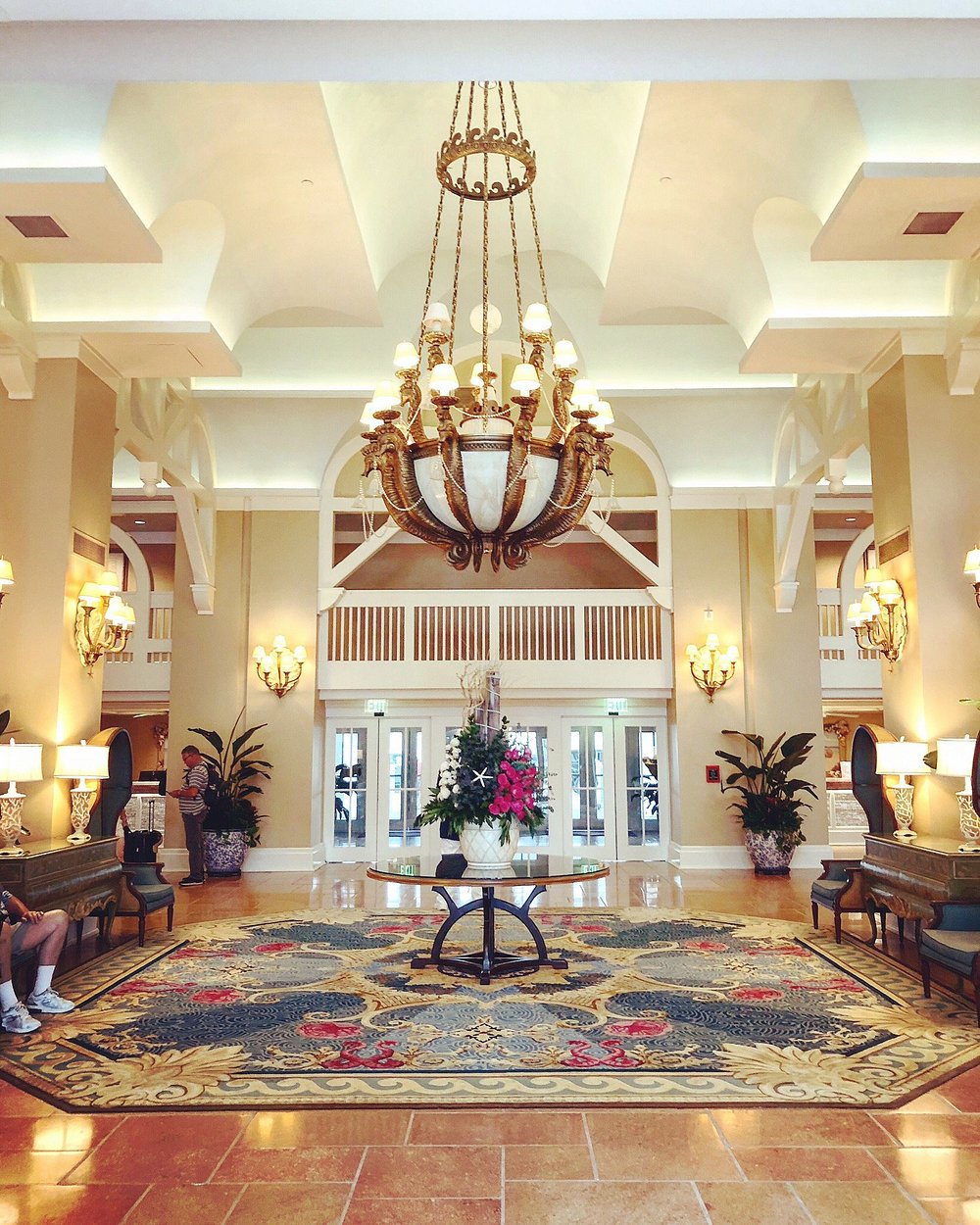
Beach Club is the clearest example. The resort sits next to Epcot, which is already a draw, but the real driver is Stormalong Bay, the pool complex shared between Beach Club and Yacht Club. It's genuinely one of the best resort pools on Disney property, with a waterslide, a sand-bottom pool, and a lazy river. DVC members who own at Beach Club book studios during Epcot festival weeks, spring break, and summer as soon as their window opens. By 7 months out, those same studios are often completely gone. If you don't own at Beach Club, getting a studio there during a busy period is difficult and sometimes impossible through the general 7-month pool.
Polynesian Village studios face similar pressure. The atmosphere, the monorail access, the proximity to Magic Kingdom, and the Trader Sam's Grog Grotto all pull strong demand. Studios at the Polynesian have long been among the most sought-after in the system. If you want a Polynesian studio for a holiday week, owning there is really the only reliable path to getting one.
Bay Lake Tower is the closest DVC resort to Magic Kingdom. The views from the upper floors looking toward Cinderella Castle drive real loyalty, and holiday periods fill fast. Members who own there book early and rarely let go of those reservations. The inventory is smaller than some other resorts, which compounds the scarcity during peak times.
Boardwalk Villas benefit from two Epcot festivals each year. The International Flower and Garden Festival runs from late February through late May. The International Food and Wine Festival runs from late August through mid-November. Boardwalk studios during those periods, particularly weekends, move quickly after the 11-month window opens. Owners who want Boardwalk during festival time treat the booking date as a hard deadline.
The resorts on that list share a few things: modest studio inventory relative to demand, location advantages that drive repeat visits, and seasons where the whole property fills around the same time. If you own at any of these resorts and you want a studio during a popular week, the 11-month window is your safety net. Arriving at 7 months for the same room is a risk we'd caution most buyers about.
What You Can Get at 7 Months
The 7-month window is genuinely useful at the right resorts and during the right seasons. This is not a consolation category. For members who travel flexibly, it's a legitimate strategy.
Saratoga Springs is the largest DVC resort in the system by a wide margin. The sheer volume of points and rooms means that studios and one-bedrooms are available far more often than at the boutique-sized resorts. Families we work with who own at Saratoga Springs and travel at various times of year rarely struggle to find availability at 7 months, including at Saratoga itself. Animal Kingdom Lodge is another resort where demand is steady but the inventory is large enough that availability tends to hold. The resort is slightly off the main Disney corridor, which cools demand a bit relative to Magic Kingdom and Epcot-adjacent properties.
Vero Beach and Hilton Head are genuinely off-season friendly resorts. During slower months, availability can extend to short notice. These resorts make sense as home resorts for members who specifically love the beach properties and travel there regularly, but they're less useful as anchor resorts for members whose primary goal is booking at the parks.
The 7-month strategy, owning at a resort with strong availability and then booking popular resorts when the 7-month window opens, does work for flexible travelers. The trade-off is clear. You give up the guaranteed priority window at Beach Club or the Polynesian, and you accept that your options at those resorts during peak dates may be limited. For families with schedule flexibility and a genuine willingness to pivot to whatever is available, it's a reasonable way to approach ownership. For families with fixed school schedules, holiday traditions, or strong resort preferences, it's a riskier bet.
Larger Room Categories and How They Differ
The studios are where you feel booking pressure most acutely, because studios use the fewest points and attract the widest range of buyers. One-bedroom and two-bedroom villas are generally easier to secure at 7 months, even at popular resorts, simply because fewer members are booking them. They require significantly more points, which narrows the pool of members who can book them on a given trip. Grand villas, the largest category, are rarely unavailable even at shorter notice.
That's not a rule with no exceptions. A Boardwalk one-bedroom during Food and Wine week can still fill up. But if your trips typically involve larger families using bigger units, your experience with the booking windows will be somewhat more forgiving than a solo traveler or couple hunting studios.
The Waitlist System
DVC does offer a waitlist for sold-out inventory. When a room category at a specific resort on specific dates is unavailable, members can add themselves to a waitlist. If a cancellation occurs and reopens that inventory, the waitlist activates automatically and books the room. The system does work. Cancellations happen regularly, and waitlisted members do get rooms they couldn't book directly.
That said, a waitlist is not the same as a confirmed reservation. For trips where the dates are fixed and the resort matters, we'd never tell someone to depend on a waitlist as their primary plan. It's a reasonable secondary option, and for flexible travelers it can deliver good results. But the 11-month window at your home resort is your real insurance policy.
How This Affects the Resale Decision
When clients come to us thinking about purchasing a membership on the secondary market, the booking windows always shape the conversation. The question isn't just which resort you love most on a Disney trip. It's which resort you want priority access to at 11 months, every year, for the life of the contract.
If Beach Club is where you want to be, owning there at the resale price makes the 11-month window available to you at a fraction of what Disney charges direct. Beach Club's 2026 direct price from Disney is $275 per point. Resale pricing for the same contract is well below that. You can check current listings at our active DVC resale listings to see where the market sits today, and use the DVC resale value calculator to get a sense of what your specific contract size and use year might be worth.
If you're a flexible traveler who genuinely doesn't have a strong resort preference and can travel during non-peak periods, owning at a resort like Saratoga Springs and working from the 7-month window is a reasonable strategy. Saratoga Springs dues in 2026 are $9.19 per point, which is moderate relative to the system. And with the largest inventory in DVC, home resort availability is rarely a concern.
The dues picture matters here too. Some of the most in-demand resorts carry higher dues, which is a real annual cost regardless of how often you travel. Hilton Head at $12.86 per point and Vero Beach at $14.89 per point carry two of the highest dues loads in the system, which is part of why resale prices at those resorts look attractive. If your primary travel goal is Walt Disney World, the annual dues at those resorts may not match what you actually want out of ownership. You can read more about how DVC ownership works on our how DVC works page, which covers dues, use years, and the full cost picture.
Use Year and Its Relationship to the Booking Windows
Your use year, the month that starts your annual point cycle, has a quiet relationship to booking windows that's worth understanding. Points must be used, banked, or borrowed within your use year cycle. The banking deadline falls eight months after your use year start date. If you're planning trips that rely heavily on the 11-month window, aligning your use year with your travel patterns means your points are in the right cycle when you need them. A February use year, for example, gives you a fresh batch of points right when you'd be booking the following Christmas season at 11 months.
This is one of the things we walk through with buyers before a purchase closes. It doesn't always match up perfectly, but getting the use year reasonably aligned with your travel calendar makes the booking window work more smoothly in practice.
A Few Practical Notes
The 11-month window opens at midnight Eastern Time. Disney's member site and phone lines both become available at that moment. The phone lines are useful if you have a complex request or multiple rooms, but for a straightforward studio booking, the online system tends to be faster at midnight. Most experienced owners do it online.
Reservations can be modified after booking, subject to availability. If you book a room at 11 months and later want to change dates or room type, you can do so, but you'd be competing for whatever is available at that point rather than at the original opening. For non-negotiable dates, locking in at 11 months and leaving it alone is generally the right approach.
Point transfers between members are allowed within limits, and borrowing from future use years is also possible. Neither of these changes the booking window itself, but they give members flexibility around how many points they have available when a window opens.
If you have questions about which resort makes sense for your travel style, how to read a resale contract's use year, or what the full timeline looks like from listing to closing, which runs about 30 days, we're glad to talk through it. You can reach us at (407) 205-1435 or tell us what you're looking for through a special request. With 25 years of DVC resale experience, we've helped thousands of families make this decision, and we don't have a stake in which resort you choose. We just want the one you pick to actually work for how you travel.






Got Something on Your Mind?
Your email address will not be published. Required fields are marked *