




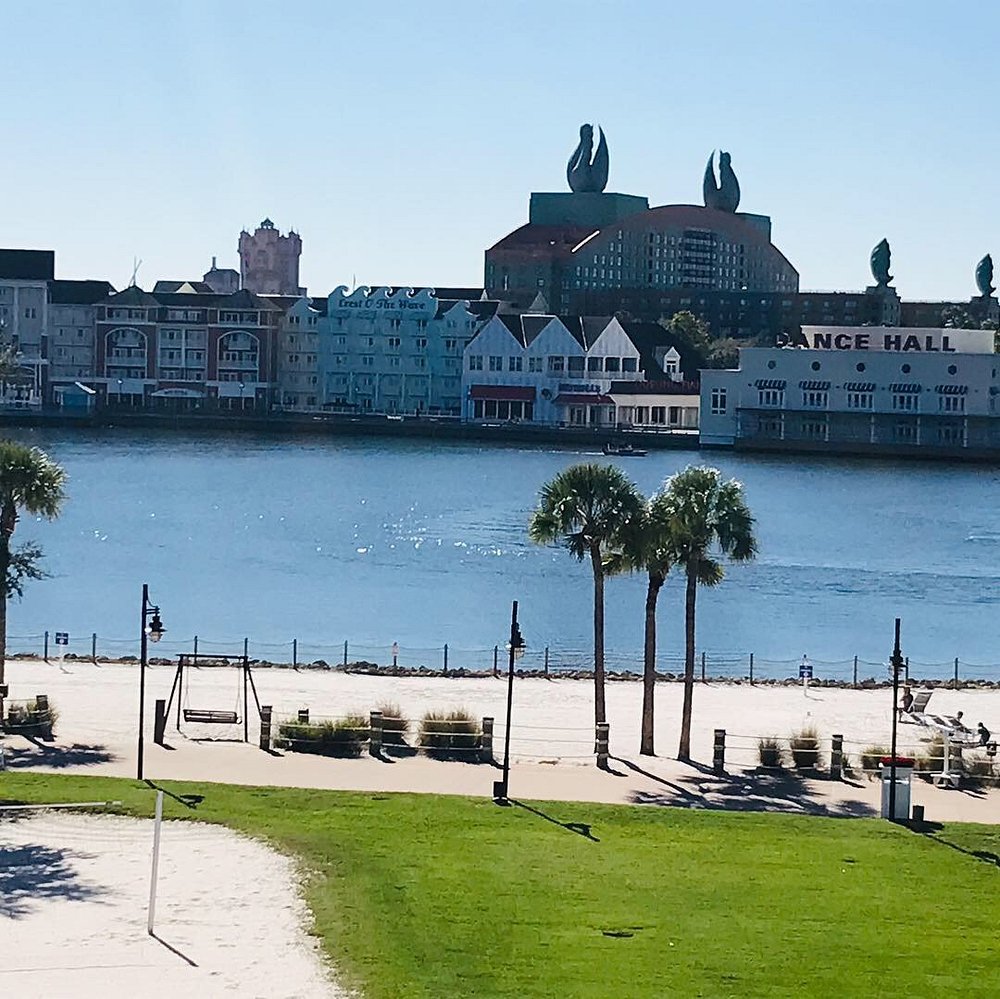
DVC's beach resorts come up in conversations with buyers more often than you might expect. Aulani draws people in with images of Hawaiian sunsets. Vero Beach sounds appealing to Florida families who want a true ocean getaway. Hilton Head carries a certain quiet prestige. But the moment buyers pull up the annual dues on these three properties, the conversation changes. Vero Beach runs $14.89 per point in 2026. Hilton Head sits at $12.86. Aulani comes in at $10.96. Compare those to Grand Floridian at $8.31 per point or even Animal Kingdom at $10.16, and the gap is hard to ignore. Before you walk away from a beach resort entirely, or before you fall in love with one without doing the math, you should understand exactly why beach dues are higher and whether the value holds up for your family's vacation style.
Why Coastal Properties Cost More to Own
This isn't arbitrary. Disney isn't charging more because beach resorts feel luxurious. The higher dues at Vero Beach, Aulani, and Hilton Head reflect real operating costs that don't exist at Walt Disney World resorts in central Florida.
Salt air is genuinely destructive. HVAC systems at coastal properties corrode faster than those in inland locations. Exterior finishes, metal hardware, and structural elements all have shorter replacement cycles when exposed to ocean air on a daily basis. A rooftop unit at a beachfront property might need replacement in eight years rather than fifteen. That cost doesn't disappear. It gets distributed across the annual dues paid by every owner.
Insurance is the larger driver. Properties on the Atlantic coast of Florida, the South Carolina shoreline, and the Hawaiian coast of Oahu carry significantly higher storm and hurricane insurance premiums than anything at Walt Disney World. Vero Beach sits directly on the Atlantic. It has faced real hurricane threats throughout its history, and insurers price that risk accordingly. Hilton Head, located on an actual barrier island off the South Carolina coast, faces similar exposure. Aulani sits in Ko Olina on the west side of Oahu, somewhat sheltered from direct Pacific storm tracks, but coastal insurance in Hawaii is still expensive by any standard.
Beyond insurance, coastal resorts are required to hold larger storm damage reserves. These are funds set aside specifically for the eventuality that a major storm causes property damage. DVC members cover those reserves through dues. At an inland resort, those reserve requirements are far lower because the risk profile is different. A tropical storm that grazes the Florida coast and knocks out power for a few days at a Walt Disney World resort is an inconvenience. The same storm making direct landfall near Vero Beach is a different situation entirely.
All of this is passed through to owners as annual dues. When you see the full annual dues table, the pattern is clear: beach and off-site resorts carry the highest costs in the system, and the reason is operating reality rather than Disney choosing to extract more value from those owners.
Vero Beach: The Atlantic Ocean Option
Vero Beach is unlike any other DVC property. It sits on the actual Atlantic Ocean, roughly 90 minutes southeast of Walt Disney World, and the resort has almost nothing to do with theme parks. You're on the beach. That's the point. The resort offers Disney-quality hospitality, pools, activities for children, and access to DVC member programming, but the primary draw is the Atlantic Ocean directly outside your door.
The financial picture on Vero Beach is sobering. At $14.89 per point in 2026, it carries the highest annual dues of any DVC resort. A 150-point contract at Vero Beach costs $2,234 per year in dues alone. That same 150 points at Grand Floridian costs $1,247 per year. The gap is $987 annually. Over a 30-year contract, that difference compounds significantly, and that calculation doesn't even account for the fact that Vero Beach contracts expire in 2042, giving you roughly 16 years of use from today rather than the 30-plus years you'd get from a newer Walt Disney World property.
Disney's direct retail price for Vero Beach is $150 per point in 2026, which makes it one of the least expensive resorts to purchase directly. That low entry price has led some buyers to assume Vero Beach is a bargain. It isn't, not when you factor in the dues over the life of the contract. The total cost of ownership at Vero Beach is high.
Where Vero Beach makes sense is for a specific kind of buyer. If your family genuinely wants a Florida beach vacation year after year, and you want the Disney infrastructure around that vacation, including the booking system, the resort-style amenities, and the Disney hospitality standard, Vero Beach delivers on that. It's a real beach resort with real ocean access. For families who already own a WDW contract and want a second, smaller contract specifically for beach trips, a modest Vero Beach purchase can make sense. For a buyer whose primary goal is Walt Disney World park access, Vero Beach is a poor fit.
Aulani: Hawaii at Disney Quality
Aulani occupies a category of its own. It's located in Ko Olina on the western coast of Oahu, roughly 20 miles from Honolulu, and it has no connection to any Disney theme park. If you're going to Aulani, you're going to Hawaii. The resort itself is genuinely exceptional by any standard, not just Disney standards. Multiple pools, a lazy river, a private lagoon, a snorkeling area, Hawaiian cultural programming, excellent restaurants, and a spa. The amenities rival or exceed those at many high-end Hawaiian resorts.
At $10.96 per point in 2026, Aulani's dues are meaningfully lower than Vero Beach or Hilton Head. The coastal insurance premiums still apply, and Hawaii is an expensive operating environment for any business, but the dues remain manageable relative to the quality of the resort. Aulani contracts also run until 2062, giving buyers roughly 36 years of use from today. That longer contract life improves the long-term value calculation considerably.
Disney's direct retail price for Aulani is $243 per point in 2026. For buyers looking at resale, the calculator at our active listings will show you what contracts are actually trading for in the current market.
The buyer profile for Aulani is someone who wants Hawaii as a regular vacation destination and wants the DVC structure around that. It's also popular among buyers who want one contract for Walt Disney World and a second contract for a completely different kind of vacation. Aulani handles the latter well. Where it falls short is for buyers who primarily want Walt Disney World park access but think Aulani points might "work" for WDW trips. They do, technically, at the seven-month booking window, but owning an Aulani contract primarily for WDW trips leaves value on the table. You're paying Hawaiian coastal insurance premiums to book Saratoga Springs at seven months out.
Hilton Head: The Quiet One
Hilton Head Island is the least-discussed of the three beach resorts, and that's probably accurate to what it is. It's a low-key, plantation-style resort on Hilton Head Island itself, roughly 45 minutes from Savannah, Georgia. There are no theme parks nearby. The resort is a genuine island retreat, and the appeal is exactly that: quiet, unhurried, beach-focused, with Disney hospitality running the operation.
At $12.86 per point in 2026, Hilton Head dues sit between Aulani and Vero Beach. The South Carolina coastline carries real storm exposure, and the resort's island location means coastal insurance and storm reserves factor into the dues just as they do at Vero Beach. Contracts expire in 2042, the same as Vero Beach. Direct retail from Disney runs $165 per point in 2026.
The families who genuinely love Hilton Head tend to be those who've already vacationed there and know what they're getting. The resort isn't trying to be a theme park adjacent property. It's a beach destination with a Disney brand on it. For buyers who love the Hilton Head area and want a DVC structure around annual trips there, it can be a good fit. For everyone else, the combination of high dues and a 2042 contract expiration makes the value calculation difficult.
The Comparison Against Walt Disney World Resorts
The dues difference matters in practice, and it pays to be direct about it. At Walt Disney World, dues range from $8.31 per point at Grand Floridian to $10.16 per point at Animal Kingdom. The full picture is available on our annual dues page. Even at the high end of WDW dues, Animal Kingdom at $10.16 per point is less expensive to own annually than any of the three beach resorts.
A 200-point contract illustrates the difference well. That same 200 points at Vero Beach costs $2,978 per year in dues. At Hilton Head, $2,572. At Aulani, $2,192. At Grand Floridian, $1,662. The buyer choosing Vero Beach over Grand Floridian is paying $1,316 more per year, every year, for a contract that expires sooner. That's a significant difference for a buyer who isn't sure which resort they'll be going to most often.
The contracts at Walt Disney World also tend to run longer. Riviera expires in 2070. Copper Creek in 2067. Compared to Vero Beach and Hilton Head ending in 2042, WDW resorts give buyers substantially more years of use.
None of this means beach resorts are wrong purchases. It means buyers need to be clear-eyed about what they're paying for and why. A beach resort contract purchased for beach vacations, with the buyer fully understanding the dues structure, is a reasonable decision. A beach resort contract purchased because it seemed affordable upfront, without accounting for annual dues, is a common mistake we see in this market.
Who Should Consider a Beach Resort Contract
The buyers we work with who are happiest with beach resort purchases share a few things in common. They already own a Walt Disney World DVC contract for their park trips, so the beach resort is a second, smaller contract specifically for a different kind of vacation. Or they genuinely prefer beach vacations over theme park trips and want the DVC booking structure, the Disney hospitality standard, and the flexibility that comes with DVC membership. Some buyers, particularly those who already vacation regularly in Hawaii, find that an Aulani contract pencils out reasonably well against what they'd otherwise pay for comparable accommodations in Ko Olina.
Buyers who should approach beach resorts with caution are those who plan to use DVC primarily for Walt Disney World trips. If you're purchasing points to visit the parks, the math consistently favors a WDW resort. You'll pay lower dues annually, your contract will likely run longer, and you'll have the 11-month booking window at your home resort to secure the specific rooms and seasons you want. A beach resort contract that you're mostly planning to use for WDW trips is paying a premium for flexibility you don't actually need.
Buyers looking at Riviera should also be aware of a specific resale restriction that applies there: resale buyers of Riviera contracts can only book the Riviera Resort itself. They cannot trade into other resorts at the seven-month window. That restriction applies to resale purchases, not direct purchases from Disney. It's a material difference worth understanding before purchasing a resale Riviera contract.
How to Evaluate Any Beach Resort Purchase
The most useful exercise is a straightforward total-cost comparison. Take the number of points you're considering, multiply by the current dues per point, and project that number out over the remaining years on the contract. Then do the same calculation for a comparable WDW resort. The dues difference over the life of the contract is often larger than buyers expect when they see it written out in full.
Contract expiration matters more than buyers typically realize at the time of purchase. A contract expiring in 2042 gives you 16 years from today. That might feel like a long time, but DVC memberships are often passed to adult children, and a 16-year contract is a different asset than a 36-year contract. For the same number of points, the longer contract holds more value on resale and delivers more years of use to your family.
Beach resorts can also be harder to sell on the secondary market than WDW resorts. The pool of buyers for Hilton Head or Vero Beach contracts is smaller than the pool for Bay Lake Tower or Saratoga Springs. That doesn't mean beach contracts don't sell, but it can affect how quickly and at what price a seller can move a contract if circumstances change.
If you'd like to see what beach resort contracts and WDW resort contracts are currently trading for in the resale market, our resale value calculator shows where those contracts are pricing right now. We update it regularly based on actual market activity.
We're happy to walk through the numbers with you for any specific resort combination you're considering. Our team can be reached at (407) 205-1435, and we've spent 25 years helping buyers decide which DVC contract, or which combination of contracts, actually fits how their family vacations rather than how they think they might vacation someday.






Got Something on Your Mind?
Your email address will not be published. Required fields are marked *