




What to Expect When You Sell
Based on DVCSales transaction data
| Cost Item | Who Pays | Amount |
|---|---|---|
| Broker commission | Seller | 6.9% of sale price |
| Disney Estoppel fee | Seller | $150 |
| Closing costs | Buyer | ~$350-$500 |
| Disney Admin fee (CAF) | Buyer | $500 |
Days-to-close trend is an industry estimate. Commission and fee amounts reflect current DVCSales structure.
Your Essential Roadmap to a Smooth Disney Vacation Club Resale Process
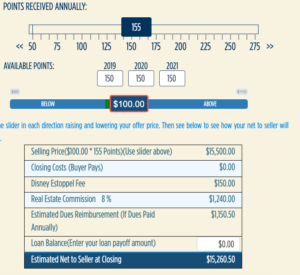
So you're thinking about selling your DVC membership but don't know where to start. I get it. After 25+ years in this business, I've walked thousands of owners through this exact process. The good news? It's not as complicated as you might think.
With the right information and a trusted resale partner, selling your DVC can actually be pretty straightforward. And profitable. Let me walk you through exactly how we do it at DVC Sales.
1. Calculate Your Membership's Value
First things first - you need to know what your contract is actually worth. At DVC Sales, you set your own listing price. That means you need to do some homework.
Use our Resale Value Calculator to get an automated price range for your contract. We'll give you suggested per-point prices based on your specific resort, use year, and contract size. It's not perfect, but it's a solid starting point.
The number of points you have available right now makes a huge difference in value. If you're sitting on banked points from last year plus this year's allocation, that's money in the bank. Buyers love loaded contracts.
Check out our current DVC resale listings to see what similar contracts are asking. Don't just look at list prices though. Look at what's actually selling. There's a big difference between asking $120 per point and getting it.
We help sellers price contracts every single day. If you're not sure where to land, give us a call. I'd rather have you priced right from day one than sit on the market for months.
2. Create a Listing
Setting up your listing is simple. Click the button in the top right corner to create an account. We'll walk you through everything step by step.
Have your contract handy when you start. You'll need your member ID number and basic contract details. The more accurate info you give us upfront, the smoother everything goes.
Here's what happens next - we'll ask for your electronic signature so we can contact Disney directly for a current Point Activity Statement. That's the PAS report. This confirms everything about your membership and shows exactly how many points are available.
We do this for every single listing. No exceptions. It keeps everyone honest and prevents surprises down the road.
3. Wait for Offers!
Once your listing goes live, you'll get an automated text or email whenever someone makes an offer. Simple as that.
We get 600-800 visitors to our site every day. Most are serious buyers with real money. Some have very specific wish lists - maybe they only want Riviera with a December use year, or they're hunting for a loaded Saratoga Springs contract under $100 per point.
If your contract matches what they're looking for, they'll get notified the minute your listing goes live. That's how contracts sometimes sell within hours of being posted.
4. The Closing Process
When an offer comes in, you'll know immediately. Text, email, or both - your choice. You can accept, counter, or pass completely.
If you and the buyer agree on terms, our system automatically generates the purchase agreement. Both parties sign electronically. Then we send copies to everyone and forward the contract to our title company and Disney to start ROFR.
ROFR - Right Of First Refusal. Disney gets 30 days to review every resale contract and decide if they want to buy it themselves. They exercise this right about 15-20% of the time, usually on contracts they think are priced too low.
If Disney takes your contract, you still get paid the agreed price. So there's no financial loss to you. If they pass, we move to closing. The whole process typically takes 30-45 days from signed contract to deed recorded.
As the seller, you'll receive the contract price minus Disney's $150 estoppel fee and our 6.9% commission. That's way lower than the 9.5% most other companies charge. The buyer pays all closing costs and reimburses you for current year dues based on available points.
More money in your pocket compared to other brokers.
Why List with DVC Sales?
Our automated system makes this whole thing painless. No endless phone calls. No paperwork getting lost. Everything happens electronically with full visibility.
We sell most contracts within 30-40 days. The combination of high traffic, competitive commission rates, and streamlined processes just works.
I started this company after working directly for Disney Vacation Club for over 25 years. I've seen every scenario, handled every problem, closed thousands of transactions. That experience matters when things get complicated.
Right now we have 80 families on our waiting list looking for the perfect contract. Maybe yours is exactly what they need. The only way to find out is to get started.
Frequently Asked Questions
Q1: What's the first step in selling a Disney Vacation Club membership?
Get a realistic price range for your contract, then list it with a reputable broker. We handle everything from there - listing, showing, offers, contracts, and closing. Check out our current DVC resale listings to see how we present contracts to buyers.
Q2: How long does it take to sell a DVC contract?
Depends on the resort and your asking price. Disney's Beach Club Villas and Polynesian sell fast because everyone wants them. Saratoga Springs and Old Key West take longer but still move. Price it right and most contracts sell within 60 days.
Q3: Do I need to notify Disney before selling my membership?
We handle all Disney notifications. Disney has Right of First Refusal on every resale, so they'll know about your sale anyway. Read our guide on what ROFR is and why it's actually good for the full story.
Q4: Are there fees involved when selling a DVC contract?
You'll pay Disney's $150 estoppel fee and our 6.9% commission. That's it from the seller side. Buyers cover all closing costs, title insurance, and recording fees. Working with DVC Sales means no surprises and full transparency from start to finish. Ready to sell your DVC membership?
Related Reading: Learn how to price your DVC competitively, understand Disney's ROFR process and find out who pays closing costs in a DVC resale.
Selling Your Disney Vacation Club Contract Made Simple

If you're ready to sell your DVC resale contract, working with DVC Sales provides a smooth, transparent process from start to finish. Our team supports you at every step so you can confidently list and close your Disney Vacation Club contract with ease.
1. Create Your Seller Account
Start by creating your seller account and entering your contact information. Inside your dashboard, provide details about your membership and upload two essential documents: a copy of your deed and your current DVC point statement. If you don't have your deed, we can help you locate and upload it at no cost. This allows us to verify your home resort, point allotment, use year, and ownership status, confirming your listing is accurate and competitive.
Your deed confirms ownership and the specific terms of your contract, while the point statement provides potential buyers with insight into current and future point availability. This transparency builds trust with buyers and can speed up the sale process. Many sellers worry about sharing these documents, but they're standard requirements in the DVC resale market. Every legitimate buyer will need to see them before making an offer.
2. Set Your Price and Launch Your Listing
Once your information is submitted, your DVC resale contract goes live on our high-traffic site and MLS platforms, reaching hundreds of active buyers. You control your asking price and can adjust it anytime based on buyer activity or market trends. The seller dashboard shows you how your price compares to other listings in the market, so you're always informed about your position.
Pricing your contract correctly is the most important factor in how quickly it sells. The DVC resale market fluctuates based on Disney's current retail pricing, seasonal demand, and resort popularity. Our market data helps you understand recent sales at your home resort. A competitively priced contract typically generates interest within the first few weeks of listing.
Keep in mind that certain resorts hold their value better than others. Newer resorts like Disney's Riviera Resort and Disney's Grand Californian command higher prices, while established resorts like Old Key West and Saratoga Springs Springs offer more affordable entry points for buyers. Your home resort's location, room configurations, and contract terms all influence pricing.
3. Receive and Respond to Offers
When a buyer is interested in your Disney Vacation Club resale, you'll receive an instant email notification and can respond directly through your dashboard. Accept, decline, or counter any offer with complete control. Once you and the buyer agree on terms, a purchase agreement is generated for e-signing by both parties, making the entire process efficient and secure.
Most offers come with contingencies that protect the buyer, such as financing approval or review of the estoppel certificate. These are normal parts of the process. You can negotiate not just the price, but also closing timeline and other terms. Some sellers prefer quick cash closings, while others are willing to wait longer for a higher price.
Don't feel pressured to accept the first offer if it's significantly below your asking price. However, if you're receiving consistent feedback that your price is too high, it might be time to adjust. The goal is finding the right balance between maximizing your return and selling within your desired timeframe.
4. Close the Sale With Confidence
Our experienced admin team and a licensed title company handle everything from contract to closing. You'll benefit from our industry-low 6.9% commission, with no upfront fees or hidden costs. From buyer deposit to final closing, we guide you step-by-step, answering questions and providing support throughout the week.
The closing process involves several important steps. First, the buyer typically provides an earnest money deposit within a few days of contract signing. Then we order the estoppel certificate from Disney, which provides official confirmation of your contract details, outstanding dues, and any restrictions. This process usually takes 7-10 business days and costs $150, which the seller pays.
Next comes Disney's Right of First Refusal (ROFR), which can take up to 30 days. During this period, Disney reviews your sale and decides whether to exercise their right to purchase the contract at your agreed price. Most contracts pass through ROFR without issue, but Disney occasionally exercises this right on contracts priced significantly below market value.
If Disney waives their right of first refusal, we move to closing. The title company prepares all closing documents, coordinates the transfer of ownership, and handles the financial exchange. You'll receive your proceeds within 24-48 hours of closing, minus our 6.9% commission and any outstanding dues or fees.
Understanding Your Contract Value
Several factors influence what buyers will pay for your DVC contract. The home resort matters significantly. Magic Kingdom area resorts like Bay Lake Tower and Grand Floridian typically command premium prices due to their prime location and monorail access. EPCOT area resorts like Beach Club and BoardWalk offer walking distance to two parks. Disney's Animal Kingdom Villas - Jambo House and Kidani Village appeal to buyers who love the savanna views and cultural theming.
Your use year also affects value. Some buyers prefer specific use years that align with their vacation patterns. February and March use years are popular because they allow banking points from the previous year's busy season. December use years work well for families who vacation during summer months and want maximum flexibility with their points.
The number of points in your contract influences marketability too. Smaller contracts (50-100 points) appeal to first-time buyers or those wanting to add on to existing memberships. Larger contracts (200+ points) work for families planning extended stays or multiple trips per year. Mid-sized contracts (125-175 points) tend to have the broadest appeal.
Preparing for Common Buyer Questions
Buyers typically ask about annual dues, special assessments, and any restrictions on your contract. Annual dues vary by resort and are published each year by Disney. Special assessments are less common but can occur for major resort renovations or improvements. Having this information readily available shows you're a prepared seller.
Buyers also want to know about banked or borrowed points. If you have points from previous years that you haven't used, these add value to your contract. Conversely, if you've borrowed points from future years, this impacts the immediate usability of the membership. Be transparent about your point situation to avoid surprises during the estoppel review.
Some contracts have restrictions that were added when Disney offered incentives to original purchasers. These might include limitations on renting points or requirements to use points for Disney accommodations only. Most resale contracts don't have these restrictions, but it's worth checking your original documents.
Market Timing and Expectations
DVC resale contracts typically sell within 30-90 days, depending on pricing and market conditions. Spring and summer tend to be busier selling seasons as families plan upcoming Disney vacations. However, the market remains active year-round because DVC appeals to different vacation styles and timing preferences.
Current market conditions favor sellers, with strong demand for most resorts and contract sizes. Disney's continued price increases for direct purchases make resale contracts more attractive to cost-conscious buyers. However, each contract is unique, and your specific combination of resort, points, use year, and price will determine buyer interest.
If your contract doesn't sell within the first 30 days, consider adjusting your price or reviewing recent comparable sales. Sometimes small price reductions can generate renewed interest. Other times, it's simply a matter of waiting for the right buyer who values your specific resort and contract terms.
After the Sale
Once your sale closes, Disney processes the ownership transfer, which typically takes 4-6 weeks. You'll receive confirmation from Disney that the transfer is complete and your name has been removed from the membership. Keep copies of all closing documents for your tax records, as DVC Sales may have tax implications depending on your purchase price and sale price.
Many sellers are surprised by how straightforward the process is. The combination of digital tools, experienced support, and established procedures makes selling a DVC contract much simpler than selling other types of real estate. Our transparent fee structure means you know exactly what you'll net from your sale before you list.
Join the hundreds of owners who have successfully sold their DVC contracts with our team. We make the process simple, secure, and rewarding. When you're ready to sell your DVC resale contract, having experienced professionals by your side makes all the difference. Start your listing today and take the first step toward closing this chapter of your Disney Vacation Club ownership.
Related Reading: Learn how to price your DVC resale, understand our commission structure, and get familiar with Disney's Right of First Refusal.
When Is the Best Time to Sell Your Disney Vacation Club Contract?

If you own a DVC membership and you're considering selling, the timing of your sale can significantly impact your return. While DVC contracts hold their value better than most timeshares, certain timing strategies can maximize your financial outcome and make your contract more attractive to buyers.
We've helped hundreds of families through the resale process, and timing decisions often make the difference between a quick sale at full market value and a contract that sits on the market for months. Let me walk you through the key timing considerations that can help you get the best result from your DVC resale.
Before we dive into timing strategies, you can review current market conditions and get a sense of your contract's value on our DVC Resale Listings page.
Selling Before January 15 to Avoid Annual Dues
One of the most straightforward timing strategies involves DVC's annual dues cycle. Annual dues are typically billed in December and due by January 15 each year. If you sell your contract before January 15, and you haven't booked any reservations using the following year's points, the buyer will usually assume responsibility for those dues.
This timing strategy offers clear benefits. First, you avoid paying a substantial annual bill that can range from $1,000 to $3,000 or more, depending on your contract size and home resort. Second, your contract becomes more appealing to buyers who are ready to start using their points immediately without worrying about an immediate dues payment.
The optimal listing window for this strategy runs from late fall through early winter, roughly October through December. During this period, serious buyers are actively looking for contracts they can close on before the dues deadline.
But this timing strategy comes with a trade-off. Many other sellers have the same idea, so you'll face increased competition during these months. The higher supply of contracts can put downward pressure on per-point prices. Still, for many sellers, avoiding the dues payment more than compensates for any slight reduction in sale price.
You can find detailed information about annual dues amounts and payment schedules on our DVC Annual Dues page or the official Disney Vacation Club Annual Dues FAQ.
Maximizing Value with Available Points
The point status of your contract dramatically affects both its marketability and sale price. Contracts with current year points, banked points from the previous year, or borrowed points from the next year are significantly more attractive to buyers than "stripped" contracts with no usable points.
When buyers purchase a contract with available points, they can immediately make reservations for upcoming trips. This immediate usability creates urgency among buyers and often results in multiple offers and higher sale prices. In contrast, stripped contracts often linger on the market for months and typically sell for $5 to $15 less per point than comparable contracts with points.
The sweet spot for selling is often right after your use year begins and your new allocation of points becomes available, but before you've used them for reservations. This timing gives buyers the maximum flexibility with a full year's worth of points to plan their vacations.
If you're unsure about your point status or want to calculate the value of available points, our DVC Point Calculator can help you understand what you're working with.
Understanding your use year is crucial for this timing strategy. DVC contracts operate on different use years (February, April, June, August, October, or December), and your points become available at the start of your specific use year. The official Disney Vacation Club Use Year information can help you confirm your contract's use year if you're not certain.
Some sellers wonder whether they should use their points for one last Disney vacation before selling. While this is certainly an option, you'll want to weigh the enjoyment of that final trip against the reduced marketability and lower sale price of a stripped contract.
Capitalizing on Resort Improvements and Expansions
Disney regularly invests in resort refurbishments, expansions, and new amenities. These improvements often create waves of renewed interest in specific resorts, driving up demand and resale values for contracts at those properties.
Recent examples include the extensive refurbishments at Saratoga Springs and Old Key West, which modernized these older resorts and made them much more appealing to today's buyers. The addition of Big Pine Key at Grand Floridian created additional inventory and renewed interest in that resort.

Looking ahead, the new Island Tower at Polynesian has generated significant buzz and interest in Polynesian contracts generally. When Disney announces major improvements or expansions, it often creates a halo effect that benefits resale values across the entire resort.
The key is timing your sale to coincide with peak interest. This might be right after Disney announces a major project, during construction when excitement is building, or shortly after completion when the improvements are fresh and generating positive reviews.
Sometimes even rumors of improvements can boost interest. Disney fan communities are very active, and speculation about potential refurbishments or expansions can create early buyer interest before any official announcements.
To get a sense of how recent improvements might have affected your contract's value, you can use our DVC Resale Value Calculator and compare current market prices for your resort.
Understanding Seasonal Market Patterns
The DVC resale market follows some predictable seasonal patterns, though they're not as pronounced as you might expect. Generally, we see increased buyer activity in late winter and early spring as families start planning summer vacations. This period, roughly February through May, often represents a good selling window.
Fall can also be active as families look ahead to the next year's vacation plans and want to secure their DVC membership well in advance. The summer months tend to be quieter, possibly because potential buyers are busy with their own vacations rather than shopping for future ones.
But these seasonal patterns are fairly mild compared to the impact of the timing strategies we've already discussed. Having available points or selling before dues are due will generally have a much bigger impact on your sale than trying to time the seasonal market.
When Personal Circumstances Override Market Timing
Sometimes your personal situation will dictate the timing of your sale, regardless of market conditions. Life changes such as retirement, job changes, health issues, or simply changing vacation preferences can make holding onto your DVC membership impractical.
In these situations, don't let perfect be the enemy of good. While optimal timing can maximize your return, DVC contracts generally hold their value well, and the difference between selling at an optimal time versus a less-than-optimal time is usually measured in single digits per point.
If you need to sell due to personal circumstances, focus on presenting your contract in the best possible light rather than waiting for perfect market timing. Make sure your contract information is complete and accurate, price it competitively based on recent comparable sales, and work with an experienced resale company that can market it effectively.
Pricing Strategy and Market Timing
Your pricing strategy should coordinate with your timing strategy. If you're selling during a high-competition period like the pre-dues rush in December, you might need to be more aggressive with pricing to stand out. If you're selling a contract with valuable points during a slower market period, you might have more room to price at the higher end of the market range.
Recent comparable sales data is crucial for pricing decisions. The DVC resale market moves quickly, and prices that were accurate three months ago might no longer reflect current market conditions. We track sales data across all DVC resorts and can provide current market analysis to help you price your contract competitively.
Remember that in the resale market, you're competing not just with other resale contracts, but also with Disney's direct sales. If Disney is running promotions or incentives for new members, it can temporarily impact resale demand and pricing.
Putting It All Together: Your Timing Strategy
The best timing strategy for your contract depends on your specific situation. If you want to avoid paying annual dues and your contract has available points, listing in November or December can be ideal. If your resort has recently been improved or expanded, that creates a good selling opportunity regardless of the time of year.
If your contract is stripped of points, you might want to wait until your next use year begins to have points available, unless personal circumstances require a quicker sale. If you have a contract at a resort that's rumored to be getting improvements, you might want to wait for official announcements that could boost interest.
The key factors to optimize are:
- Avoiding annual dues by selling before January 15 (more details on our DVC Annual Dues page)
- Having available points on your contract to attract buyers who want immediate usability
- Capitalizing on resort improvements or expansions that boost demand for your specific home resort
- Pricing competitively based on current market conditions rather than outdated information
Good timing can definitely improve your sale results, but don't overthink it. The most important factors are presenting accurate contract information, pricing based on current market data, and working with experienced professionals who understand the DVC resale process.
If you're ready to explore selling your contract or want to discuss timing strategies specific to your situation, you can reach out through our Contact Page. You can also review Disney's official guidance on the resale process in their Disney Vacation Club Reselling FAQ.
Why Your DVC Resale Listing Isn't Getting Offers
Your Disney Vacation Club resale listing competes against over 1,200 active contracts across multiple platforms daily. While DVC Sales and other MLS-style sites give your membership exposure to thousands of potential buyers, getting that exposure doesn't guarantee offers. If your contract has been sitting without meaningful interest, there's likely a specific reason, and it's usually fixable.
The most common culprit? Your pricing strategy isn't competitive enough to capture buyer attention in today's market.
How DVC Buyers Actually Shop for Contracts
DVC buyers approach resale purchases methodically. They start with filters for resort, use year, contract size, and price per point, then sort results to find the best deals. From hundreds of available contracts, most serious buyers focus on the top 10-20 options that offer the strongest value.
This process eliminates weaker listings quickly. If your contract doesn't rank in the top tier for price per point within your resort and contract size category, many buyers won't even see it. They've already found what they consider better options and moved forward with those sellers.
You can check exactly where your contract ranks by logging into your DVC Sales dashboard. Navigate to your active listing and look at Section 3, which shows how your membership compares to similar contracts across the entire marketplace. This ranking includes listings from every major broker, giving you the complete competitive picture.
Why Ranking in the Top Spots Matters
Contracts ranked in the top 5-6 positions for their category typically receive the most page views, buyer inquiries, and offers. There's a clear correlation between competitive ranking and sales activity. Listings that fall outside this range often struggle to generate interest, even at popular resorts like Bay Lake Tower or Riviera.
The difference between a contract that sells quickly and one that sits for months often comes down to just a few dollars per point. Buyers make rapid decisions when they find contracts that clearly outperform the competition. If your listing doesn't stand out immediately, they'll move to the next option.
We've worked with sellers who moved from receiving no activity to multiple offers within days of a strategic price adjustment. The buyer pool is there, but they need a compelling reason to choose your contract over similar alternatives.
Common Reasons DVC Resale Listings Stall
Beyond pricing, several factors can hurt your listing's performance. Incomplete or outdated documentation creates buyer hesitation. If your point summary shows old information or your deed details aren't current, serious buyers may skip your contract entirely. They want confidence in what they're purchasing, especially when spending $30,000 to $100,000+.
Use year timing also affects demand. Contracts with use years that align with popular vacation periods (February, June, September) typically generate more interest than those with less favorable timing. While you can't change your use year, understanding its impact helps set realistic expectations for sale timeline and pricing strategy.
Location within a resort's price range matters too. If you're selling a contract at a premium resort like Grand Californian, buyers expect pricing that reflects current market conditions for that property. Overpricing based on what you paid years ago rather than today's resale values will limit your buyer pool significantly.
Understanding Point Allocations and Banked Points
The timing of your point allocation and any banked points can significantly affect buyer interest. Contracts coming with current-year points or banked points from previous years often generate more activity because buyers can use those points immediately for upcoming vacations.
However, contracts without current points aren't automatically less attractive if they're priced accordingly. Many buyers prefer to purchase points they'll use in future years, allowing them to book their preferred resorts and dates with home resort priority at 11 months out.
Be transparent about your point situation in your listing. If you've used the current year's points, that's fine, but buyers need to know upfront. Surprises during the contract review process can derail otherwise solid deals.
Strategies to Increase Buyer Interest
Start by reviewing your price per point ranking honestly. If you're not in the top competitive tier for your resort and contract size, consider adjusting your asking price. Even a $3-5 per point reduction can move your listing into the range where buyers start paying attention.
Update all your listing documentation. Make sure your most recent point summary is attached, your deed information is accurate, and any special assessments or upcoming dues increases are clearly disclosed. Buyers appreciate transparency and complete information upfront.
Consider offering some flexibility on closing terms. Being open to splitting closing costs, allowing point banking flexibility, or working with buyers on timing can make your contract more attractive than similar listings that offer no concessions.
Monitor your competition regularly. The DVC resale market shifts constantly as new inventory comes online and contracts sell. A ranking that was competitive last month may not be today. Checking your position weekly and adjusting accordingly keeps you relevant to current buyer searches.
You can modify your asking price anytime through your dashboard at no additional cost. Small adjustments often create renewed interest from buyers who may have previously overlooked your listing.
When Market Conditions Affect Your Sale
Sometimes external factors impact your listing's performance beyond pricing strategy. Disney's direct sales pricing changes can affect resale demand. When Disney raises retail prices significantly, resale contracts become more attractive by comparison. When Disney offers incentives or lower prices, resale demand may soften temporarily.
Interest rate changes also influence buyer behavior. Higher rates make DVC financing more expensive, potentially reducing the pool of buyers who can afford your contract. Lower rates typically increase buyer activity and competition for quality listings.
Seasonal patterns affect sales velocity too. We typically see increased activity in January and February as people plan their vacation year, and again in late summer as families finalize next year's travel plans. Understanding these cycles helps set appropriate expectations for response time.
However, well-priced contracts sell consistently regardless of broader market conditions. If your listing isn't generating activity during typically busy periods, pricing is likely the primary issue.
The Role of Resort Popularity and Point Charts
Some resorts consistently generate more buyer interest than others. Beach Club, Boardwalk, and Polynesian contracts often sell quickly due to their convenient locations and point efficiency for popular travel dates. Meanwhile, resorts like Animal Kingdom Villas or Aulani may require more competitive pricing to achieve similar activity levels.
Buyers also study point charts carefully when evaluating contracts. They calculate how many nights they can book for their typical vacation style and budget their points accordingly. If your resort requires more points for standard room categories during busy seasons, buyers factor this into their value calculations.
Understanding where your resort stands in the popularity hierarchy helps set realistic expectations. A Saratoga Springs contract might need to be priced $10-15 per point below a comparable Riviera contract to generate similar buyer interest.
Understanding Buyer Psychology in DVC Resales
DVC buyers often research extensively before making offers. They compare annual dues across resorts, study point charts for their preferred travel dates, and calculate long-term value propositions. This means they're particularly sensitive to contracts that offer clear financial advantages.
Many buyers also factor in Disney's Right of First Refusal when evaluating contracts. They understand that attractively priced listings have higher chances of Disney buying back the contract, so they look for deals that are competitive but not so aggressive they'll trigger ROFR.
First-time DVC buyers often feel overwhelmed by the complexity of resale purchases. They gravitate toward listings that seem straightforward and well-documented. Complete information and competitive pricing reduce their perceived risk and increase the likelihood they'll submit an offer.
Experienced DVC members purchasing additional contracts tend to be even more price-sensitive. They know the market well and can quickly identify which listings offer genuine value versus those that are overpriced based on current conditions.
The Impact of Contract Size on Sales Timeline
Smaller contracts (25-100 points) typically sell faster than larger ones because more buyers can afford them. The pool of buyers looking to spend $75,000+ on a single contract is naturally smaller, which can extend your sale timeline even with competitive pricing.
Larger contracts often appeal to buyers looking to purchase their entire DVC allocation at once, families planning extensive Disney vacations, or investors seeking rental opportunities. While these buyers exist, they're less common and may take longer to find your listing.
If you own a large contract and need to sell quickly, you might consider whether splitting it into smaller pieces would generate more buyer interest. However, this approach has costs and complications that need to be weighed carefully.
Working with Your Broker for Better Results
Your DVC Sales agent can provide detailed insights into your listing's performance, including page views, buyer inquiries, and how your contract ranks against recent sales. This data helps identify specific issues affecting your listing's appeal.
We can also recommend targeted adjustments based on current market conditions and buyer feedback. Sometimes a small change in presentation or pricing strategy makes a significant difference in buyer response.
If you're considering multiple strategy changes, we can help prioritize which adjustments are most likely to generate results quickly. Not every listing challenge requires a major price reduction. Sometimes updating documentation or adjusting terms is sufficient to restart buyer interest.
Our team monitors market trends continuously and can advise when external factors might be affecting your specific resort or contract type. This insight helps you make informed decisions about timing and pricing adjustments.
Dealing with Special Circumstances
Some contracts have unique characteristics that affect their marketability. Stripped contracts (those with many years of points already banked and borrowed) require special explanation and often appeal to a smaller buyer pool. Contracts with liens, shared ownership, or other complications need clear documentation and realistic pricing.
If your contract has an unusual use year, such as January or August, this can actually be an advantage for certain buyers who prefer off-peak booking windows. Don't assume uncommon features are always drawbacks, they might just require targeted marketing to the right buyer segment.
Contracts approaching their 2042 expiration (Old Key West and Saratoga Springs) face different market dynamics than those with longer terms. Buyers calculate their cost-per-year differently and may be more price-sensitive as a result.
The Importance of Professional Photography and Presentation
While you can't change your contract's fundamental characteristics, you can control how it's presented. Clear, professional documentation makes a significant difference in buyer perception. Contracts with complete, easy-to-read summaries simply look more trustworthy than those with missing or unclear information.
If your resort photos in the listing are outdated or low-quality, this can subtly affect buyer interest. People are purchasing based on their emotional connection to Disney vacations, and appealing visual presentation supports that connection.
Your listing description should be factual and complete without being overly promotional. Buyers can spot marketing fluff easily, and they prefer straightforward information they can trust.
Realistic Expectations for Sale Timeline
Well-priced DVC contracts in popular resorts typically receive offers within 2-4 weeks of listing. If you're beyond this timeframe without serious inquiries, it's worth reevaluating your approach. Contracts that sit for months without activity usually have a pricing or presentation issue that needs addressing.
However, some factors naturally extend sale timelines. Larger contracts ($75,000+) take longer to sell because fewer buyers can afford them. Contracts at less popular resorts or with challenging use years also require more patience. Understanding these factors helps set appropriate expectations.
The key is distinguishing between normal market timing and a listing that needs adjustment. Regular activity, even if it doesn't immediately result in offers, indicates your contract is reaching interested buyers. No activity suggests a more fundamental issue with positioning or presentation.
Remember that DVC contracts are significant purchases for most families. Buyers often take weeks to make final decisions even after finding a contract they like. Patience is important, but it should be paired with competitive positioning to maximize your chances of success.
Making Strategic Adjustments
When you decide to adjust your listing strategy, make changes deliberately rather than randomly. Start by improving your competitive ranking through pricing adjustments, then address any documentation or presentation issues.
Monitor results after each change. If a price reduction moves your contract into a more competitive ranking but doesn't generate increased activity within a week, there may be other factors at play. This systematic approach helps identify what's actually affecting buyer interest.
Consider the broader context of your sale timeline. If you need to sell quickly, more aggressive pricing might be appropriate. If you have flexibility on timing, smaller adjustments and patience might achieve better results.
Don't make multiple changes simultaneously. Adjust one element at a time so you can measure what actually improves buyer response. This approach provides valuable feedback for fine-tuning your strategy.
Getting Professional Market Analysis
If you're uncertain about your contract's competitive position or the best adjustment strategy, our team can provide a detailed market analysis. We'll review your listing's performance data, compare it to recent sales, and recommend specific steps to improve buyer interest.
This analysis includes reviewing your current ranking across all major platforms, identifying which aspects of your listing might be deterring buyers, and suggesting realistic pricing strategies based on recent market activity.
We can also help you understand how changes in Disney's retail pricing or broader market conditions might affect your contract's appeal. This context helps you make informed decisions about timing and strategy adjustments.
For additional market insights, check our active listings to see how similar contracts are positioned, or review recent sales data to understand current market ranges for your resort and contract size.
Moving Forward Strategically
Selling a DVC contract successfully requires understanding buyer behavior and market dynamics. Most listing challenges stem from pricing that doesn't reflect current competitive conditions or presentation issues that create buyer uncertainty.
The good news is that these issues are fixable. By monitoring your competitive ranking, maintaining complete and current documentation, and adjusting your approach based on market feedback, you can position your contract to attract serious buyers and generate offers.
Remember that the DVC resale market remains active, with contracts selling daily across all resort types and price ranges. Your contract can compete successfully with the right positioning and strategy. We're here to help you identify what adjustments will make the biggest difference in your specific situation.
Our commission structure (6.9% versus the industry average of 9.5%) means you keep more of your sale proceeds when your contract does sell. Combined with our comprehensive marketing platform and personalized guidance throughout the process, you have the tools needed to achieve a successful sale.
What Affects the Sale Time of Your DVC Contract?
The time it takes to sell your Disney Vacation Club membership depends on how your listing compares to others in the current resale market. Pricing, value, and competition drive how quickly your contract will attract attention and move toward closing. Today's buyers are informed and compare every option available, making your pricing and positioning critical.
Most buyers shop across multiple platforms, including DVC Sales and our sister site, dvcmarket.com, to evaluate contracts side by side. Your listing isn't viewed in isolation but against every similar contract available. Understanding where your membership ranks within that competition is the key to predicting and improving your sales timeline.
Why Pricing and Availability Matter Most
The two factors that most strongly influence the speed of your sale are competitive pricing and point availability. Contracts with attractive per-point prices and points available for immediate use tend to generate offers more quickly. In contrast, contracts priced noticeably higher than others at the same resort often sit longer on the market.
Even if your membership has appealing features like a desirable home resort or favorable use year, an inflated price can limit exposure and delay offers. Buyers today are sophisticated. They can easily calculate value per point and compare point charts across different contracts.
We've found that buyer attention is concentrated on the top 10 ranked listings for each resort. These listings are considered the best value and usually generate the highest volume of inquiries. If your contract is ranked outside of that range, it may not get the same level of buyer interest.
To see exactly where your contract stands, visit Section 3 of the View Details page in your DVC Sales dashboard. The ranking tool compares your membership against others at the same resort, giving you clear insights into competitiveness. This data updates regularly as market conditions change and new listings are added.
Smaller vs. Larger Contracts
Contract size also plays a significant role in how quickly a listing sells. Smaller contracts, especially those priced under $20,000, tend to sell quickly. These are attractive to first-time buyers who want to join DVC at a manageable entry point, as well as existing members looking to add points in smaller increments.
The math works in favor of smaller contracts too. A 50-point contract at Bay Lake Tower might cost $12,000 total, making it accessible to buyers who can't or don't want to spend $30,000 on a 125-point contract at the same resort. The pool of qualified buyers is simply larger for smaller contracts.
Larger contracts can also sell efficiently, but the strategy differs. Because they require a higher total purchase price, buyers are more selective and often take longer to make decisions. To sell a larger membership quickly, competitive pricing is usually required. For sellers, this means balancing the desire for maximum return with the reality of market demand.
Buyers purchasing larger contracts also tend to be more experienced DVC members who understand the nuances of different resorts, use years, and point values. They're less likely to make impulse purchases and more likely to negotiate on price or terms.
Resort Popularity and Market Dynamics
The resort your contract is based at significantly affects sale time. Popular resorts like Bay Lake Tower, Riviera Resort, and Grand Californian typically have more buyer interest, which can lead to faster sales if your contract is priced competitively. These resorts often have waiting lists of interested buyers.
But popularity also means more competition. If you're selling a Riviera contract, you're competing against dozens of other Riviera listings. Standing out requires either exceptional pricing or unique features like banked points or a favorable use year.
Older resorts like Vero Beach or Hilton Head can take longer to sell, but they often have less competition. The buyers who are interested in these resorts are typically very committed to the purchase once they decide to move forward.
Current market conditions also play a role. When Disney announces new resorts or changes to the DVC program, it can temporarily shift buyer interest and affect sale times across all resorts. We've seen this happen with announcements about new DVC properties or changes to annual dues structures.
The Role of Points and Use Years
The points included with your contract and their use year timing can significantly impact sale speed. Contracts that include current year points or banked points from the previous year are more attractive because buyers can use those points immediately for upcoming vacations.
Use year also matters more than many sellers realize. December and January use years are often preferred because they align better with typical family vacation planning. Points that expire in December give families the most flexibility for spring break, summer, and fall trips.
But use year preferences vary by buyer. Some prefer April use years because they plan Disney trips around spring break and don't want to worry about points expiring before they can use them. The key is understanding that certain use years have broader appeal.
If your contract has points that are about to expire, this creates urgency for both you as the seller and potential buyers. Buyers know they need to act quickly to capture the value of those expiring points, which can actually speed up the sale process if priced appropriately.
Market Competition and Buyer Behavior
Because buyers can see multiple contracts side by side on our platform and others, they make direct comparisons before placing an offer. A contract that looks overpriced or has limited point availability may be overlooked, even if it's from a popular resort like Grand Floridian or Polynesian.
Conversely, a competitively priced contract with banked points available can stand out immediately. This buyer behavior is why reviewing your ranking and making adjustments is so important. Even a small price reduction can shift your contract into the top tier of listings and increase your exposure significantly.
We've seen contracts that sat on the market for months suddenly receive multiple offers within days of a modest price adjustment. The difference between being ranked #15 and #5 in value can be dramatic in terms of buyer attention.
Buyers also consider total cost of ownership, including annual dues and any upcoming special assessments. A contract with lower dues per point can command a higher sale price because the ongoing costs are more manageable.
Timing and Market Conditions
The time of year you list your contract can affect sale speed. We typically see increased buyer activity in January and February as families start planning their vacation year and have tax refunds available. Summer months can be slower as families are spending money on current vacations rather than planning future ones.
But these seasonal patterns aren't absolute. A well-priced contract will attract buyers regardless of the month. The key is understanding that during slower periods, competitive pricing becomes even more important to capture the available buyer interest.
Current Disney park events and announcements can also create buying surges. When Disney announces new attractions, special events, or resort renovations, it often generates renewed interest in DVC ownership. We saw this effect with the opening of Star Wars: Galaxy's Edge and more recently with Disney's 50th anniversary celebration.
How Fast Can You Sell?
It's possible to sell a DVC contract within one or two days, but this typically happens only when a listing ranks in the top positions for overall value. Buyers act quickly when they see an exceptional deal, especially if it combines competitive pricing with immediate points.
More commonly, well-priced contracts in popular resorts sell within two to four weeks. This timeframe includes the period from initial listing to accepted offer, not the full closing process which takes additional time for estoppel and title work.
Contracts that are priced at market rates but don't stand out in terms of value may take six to twelve weeks to attract serious buyer interest. During this period, sellers often need to adjust pricing or work with our team to improve their listing's competitiveness.
While not every contract will sell overnight, positioning your listing among the top-ranked options greatly improves the odds of a fast transaction. The ranking system on our platform makes this positioning very clear and actionable.
The Impact of Professional Marketing
How your contract is presented and marketed affects buyer interest and sale speed. Professional photos, detailed descriptions, and clear presentation of key selling points help your listing stand out. We handle this marketing for all our sellers, but the information you provide helps us craft the most compelling listing possible.
Highlighting unique features like a preferred view category, recent renovations at your home resort, or upcoming point additions can differentiate your contract from similar listings. These details matter more when buyers are comparing multiple options that are similar in price and points.
We also provide detailed market analysis and pricing recommendations based on recent sales data and current competition. This analysis is updated regularly and takes into account factors like seasonal trends, Disney announcements, and changes in buyer behavior patterns.
Working with Right of First Refusal (ROFR)
Disney's Right of First Refusal can affect your sale timeline, though it's not something you can control directly. Contracts priced significantly below market value are more likely to be taken by Disney through ROFR, which would restart your selling process.
However, contracts priced at fair market value rarely face ROFR issues. Our pricing guidance takes current ROFR trends into account to help you find the sweet spot between competitive pricing and ROFR risk. You can learn more about this process in our ROFR explanation.
The ROFR process adds approximately 30 days to the timeline from accepted offer to closing, but this happens after you've already found a buyer and agreed on terms. It doesn't affect the time it takes to generate initial buyer interest.
Get Expert Help to Speed Up Your Sale
If you're not sure how your listing compares to others, or if you want professional advice on adjusting your pricing strategy, our team at DVC Sales is available to help. We provide guidance based on current buyer trends, recent sales data, and your specific resort.
Our experience with thousands of DVC transactions gives us insights into buyer behavior patterns and market timing that can benefit your sale. We can help you understand not just where your contract ranks today, but what adjustments might improve that ranking.
We also provide regular market updates and can alert you to changes in buyer activity or competition that might affect your listing. This ongoing support helps ensure your contract stays competitive as market conditions evolve.
For additional insights, you can review our current DVC resale listings to see how your contract compares, and learn how DVC resale restrictions may affect value. Our monthly market report provides additional context on recent sales trends and buyer activity levels.
Setting Realistic Expectations
Understanding your contract's position in the current market helps set realistic expectations for sale timing. A contract ranked in the top five for its resort will likely sell much faster than one ranked in the bottom half, regardless of the resort's popularity.
But every contract can sell at the right price point. The question is finding the balance between your desired return and the market reality. We help sellers navigate this decision with clear data and honest guidance about market conditions.
Remember that the time to sell and the time to close are different. Even after you accept an offer, the closing process typically takes about 45 days for estoppel processing, title work, and Disney's ROFR review. Planning for this total timeline is important if you have specific deadlines or financial needs.
The Bottom Line
The time it takes to sell your DVC contract isn't random. It depends on how competitively your listing is priced, the size of the contract, available points, and how your offering compares to current market competition. Smaller, well-priced contracts often move quickly, while larger contracts require more strategic pricing to capture buyer interest.
By reviewing your ranking, making adjustments as needed, and working with our experienced team, you can position your membership for a faster sale while maximizing your return. The tools and data we provide make this process transparent and actionable.
Most importantly, the DVC resale market remains active with qualified buyers looking for well-priced contracts. Your success comes down to understanding where your contract fits in that market and positioning it to stand out among the competition.






Got Something on Your Mind?
Your email address will not be published. Required fields are marked *