




How Different Is It to Purchase Disney Timeshare at Disneyland vs. Walt Disney World?
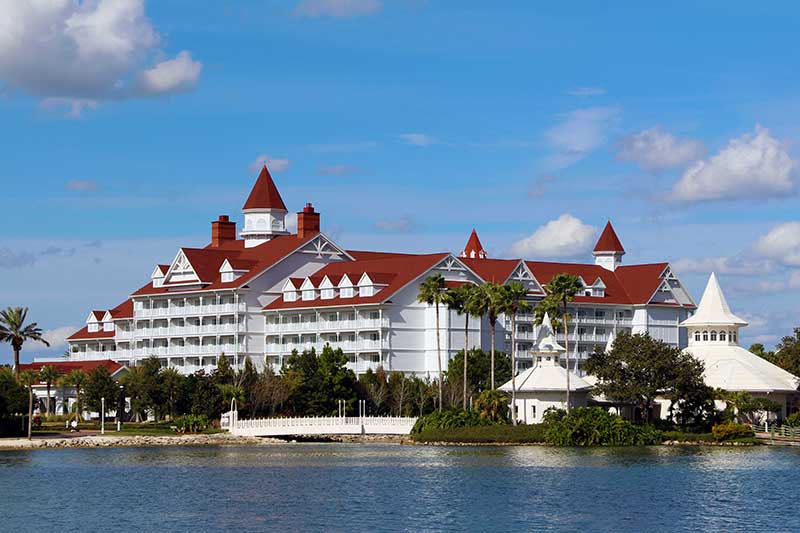
A trip to a Disney theme park creates lasting memories that many families treasure for years. For those considering a more permanent connection to Disney magic, purchasing a Disney Vacation Club (DVC) membership offers an appealing path to annual Disney vacations. But there are important differences between purchasing DVC at Disneyland Resort in California versus Walt Disney World Resort in Florida that can significantly impact your ownership experience.
Understanding these differences before you purchase helps ensure you choose the right DVC contract for your family's vacation patterns and preferences.
Understanding Disney Vacation Club
Disney Vacation Club operates as a points-based vacation ownership program where members purchase an allotment of points that can be used to book accommodations at any DVC resort, subject to availability. Each DVC contract designates a specific resort as your "home resort," which provides booking advantages and influences many aspects of your membership experience.
Home Resort Priority
The home resort advantage represents one of the most significant benefits of DVC ownership. Members can book accommodations at their home resort beginning 11 months before their stay, compared to just 7 months for all other DVC resorts. This extended booking window can make the difference between securing your preferred dates at a popular resort or having to adjust your vacation plans.
This advantage becomes particularly valuable during peak seasons like Christmas week, spring break, or special events when availability fills up quickly. If you purchase at Disney's Grand Californian Hotel & Spa, for example, you'll have priority access to book that resort nearly four months before members from other home resorts can even attempt to secure the same dates.
Key Differences Between Disneyland and Walt Disney World DVC
Resort Selection
Walt Disney World offers significantly more DVC resort options compared to Disneyland. Currently, Walt Disney World features over a dozen DVC properties, including Disney's Animal Kingdom Villas, Bay Lake Tower at Disney's Contemporary Resort, Disney's Polynesian Villas & Bungalows, Disney's Riviera Resort, and many others. Each offers different room configurations, amenities, and proximity to various theme parks.
Disneyland Resort, in contrast, has just one DVC property: Disney's Grand Californian Hotel & Spa. This dramatic difference in selection means Disneyland-based members have fewer options for using their points at their home resort, though they can still book at any DVC resort worldwide using the 7-month booking window.
The limited Disneyland selection also means that Grand Californian tends to book up quickly during its 11-month window, making the home resort advantage even more crucial for securing stays during busy periods.
Contract Terms and Expiration Dates
DVC contracts have predetermined expiration dates that vary by resort, and these dates can significantly impact both your ownership experience and potential resale value. Disney's Grand Californian Hotel & Spa contracts expire in 2060, providing roughly 35+ years of ownership for new purchasers.
Walt Disney World resort expiration dates range more widely. Some of the original resorts like Disney's Old Key West Resort have contracts expiring in 2042, while newer properties like Disney's Riviera Resort extend until 2070. When considering a purchase, these expiration dates affect not only how long you'll own the membership but also influence resale values as contracts approach their end dates.
Contracts with longer remaining terms typically command higher resale prices per point, all else being equal. This makes understanding expiration dates particularly important if you're considering a resale purchase or think you might sell your contract in the future.
Annual Dues Structure
Annual dues cover resort maintenance, housekeeping, operations, and administrative costs, and these fees vary significantly between individual resorts. Dues at Disney's Grand Californian typically run higher than many Walt Disney World properties, reflecting California's higher operating costs and the resort's premium location.
Each resort sets its own dues based on its specific operational needs, so you'll find variation even among Walt Disney World properties. Deluxe villas like Bay Lake Tower generally have higher dues than older properties like Old Key West, reflecting differences in amenities, room configurations, and maintenance requirements.
Annual dues increase periodically, usually each January, so it's important to budget for these escalating costs over the life of your contract. While no one can predict exact future increases, historical patterns show dues typically rise 3-6% annually across the DVC system.
Location and Park Access
Disney's Grand Californian Hotel & Spa offers unparalleled convenience for Disneyland visits, with a dedicated entrance into Disney California Adventure and walking distance to Disneyland Park. This level of proximity means you can easily return to your room during the day for breaks or naps, particularly valuable when traveling with young children.
Walt Disney World's larger scale means different DVC resorts offer varying levels of theme park access. Some, like Bay Lake Tower, provide walking distance or monorail access to Magic Kingdom, while others like Disney's Animal Kingdom Villas require bus transportation to all parks. The resort you choose as your home resort can significantly impact your daily park touring experience.
Resale Market Considerations
Right of First Refusal Impact
Disney maintains Right of First Refusal (ROFR) on all DVC resale transactions, meaning the company can purchase any resale contract at the agreed-upon price before it transfers to the new buyer. This process typically adds 30-60 days to resale transactions while Disney reviews the contract terms.
Disney's ROFR decisions often correlate with current market conditions and the specific contract details. Contracts priced significantly below recent market averages face higher ROFR risk, while those priced at or above market rates typically pass through without Disney intervention.
Grand Californian resale contracts sometimes face ROFR more frequently than some Walt Disney World properties, partly due to the limited supply and strong demand for the only Disneyland DVC option.
Resale Restrictions
Purchasing DVC on the resale market comes with certain limitations compared to purchasing directly from Disney. Resale contracts don't include access to Disney Collection properties (like Disney's Hilton Head Island Resort or Aulani), Adventures by Disney trips, or Disney Cruise Line bookings using points.
For many families, these restrictions don't significantly impact their ownership experience since they primarily want to use their points for Disney theme park resort stays. But if you're interested in the broader vacation options, purchasing directly from Disney preserves access to the complete DVC system.
Price Differences
Current Disney direct retail prices for Grand Californian start at $310 per point, making it one of the highest-priced DVC properties. Walt Disney World direct prices range from $205 per point at properties like Saratoga Springs and Old Key West to $275 per point at premium locations like Bay Lake Tower and Beach Club.
Resale prices typically run significantly lower than direct purchases, with potential savings of $75-$150 per point depending on the specific resort and contract details. These savings can amount to tens of thousands of dollars on larger contracts, making the resale market attractive for many purchasers willing to accept the associated restrictions.
Practical Considerations for Your Purchase Decision
Your choice between Disneyland and Walt Disney World DVC should align with your family's vacation preferences and patterns. If you primarily visit Disneyland and value the convenience of staying at Grand Californian, the limited resort options may not concern you. The property's premium location and direct park access can justify both the higher purchase price and annual dues for families who visit frequently.
Alternatively, if you enjoy variety in your Disney vacations or like having multiple resort options, Walt Disney World's extensive DVC portfolio provides much more flexibility. You might choose a lower-cost home resort like Saratoga Springs while still having access to book stays at premium properties like Beach Club or Polynesian during the 7-month window.
Consider your typical vacation timing as well. If you usually travel during peak seasons, the 11-month home resort booking advantage becomes more valuable, making your home resort selection particularly important. Families with flexible travel dates may find the 7-month window sufficient for most of their desired stays.
We've helped hundreds of families through this decision process. Contact us to discuss which option is right for your family, and there's no universally "correct" choice. The right DVC purchase depends entirely on your family's specific vacation goals, budget, and preferences. Some families purchase small contracts at multiple resorts to maximize booking flexibility, while others prefer the simplicity of owning at a single home resort they visit regularly.
Whether you choose Disneyland or Walt Disney World, DVC ownership can provide years of magical family vacations. The key lies in understanding these important differences and selecting the contract that best matches your family's Disney vacation dreams.
The Two Systems Are More Different Than Most People Expect
Walt Disney World covers 27,000 acres and has 14 DVC resorts to choose from. Disneyland sits on roughly 500 acres in Anaheim with two DVC resorts: Villas at Disney's Grand Californian Hotel and the Disney Vacation Club at Disneyland Hotel. That size difference shapes everything about the ownership experience. At Walt Disney World, DVC members often stay multiple nights to work through four parks, two water parks, and Disney Springs. In California, many families visit for 2 to 3 days because Disneyland Park and Disney California Adventure can reasonably be covered in that time. The ownership use pattern is different, and so is the contract size that makes sense.
Disneyland resort area dining and entertainment options are exceptionally dense. Downtown Disney, the hotel restaurants, and the Disneyland Hotel itself are all within walking distance. The concentration of experiences per square mile in Anaheim is higher than at Walt Disney World, even though the total acreage is far smaller. For families who enjoy resort dining, evening entertainment, and a walkable setup, California delivers something Florida's sprawling layout can't match.
Price Per Point Reflects the California Market
California DVC resorts carry a meaningful price premium over most Florida options. Villas at Grand Californian and Disneyland Hotel Villas typically trade at $160 to $200 per point on the resale market. Compare that to Florida resorts like Saratoga Springs or Old Key West at $85 to $120 per point, and you're looking at a price difference of $75 to $80 per point for the same underlying membership structure. On 150 points that's $11,000 to $12,000 more for a California contract.
That premium reflects California real estate values, the higher demand relative to limited inventory, and the fact that Disneyland has only two DVC resorts with no additional properties planned. Florida has 14 resorts and far more points in circulation, which keeps the market more competitive on price. Whether the California premium is worth it depends on where you vacation most. If Disneyland is your primary destination, owning there gives you the 11-month booking advantage at those resorts, which matters because Grand Californian especially books up fast at the 7-month window.
If you have questions about California versus Florida DVC contracts and which makes more sense for your family's travel patterns, call us at (407) 205-1435 or browse current listings at dvcsales.com/dvc-resale-listings.






Got Something on Your Mind?
Your email address will not be published. Required fields are marked *