



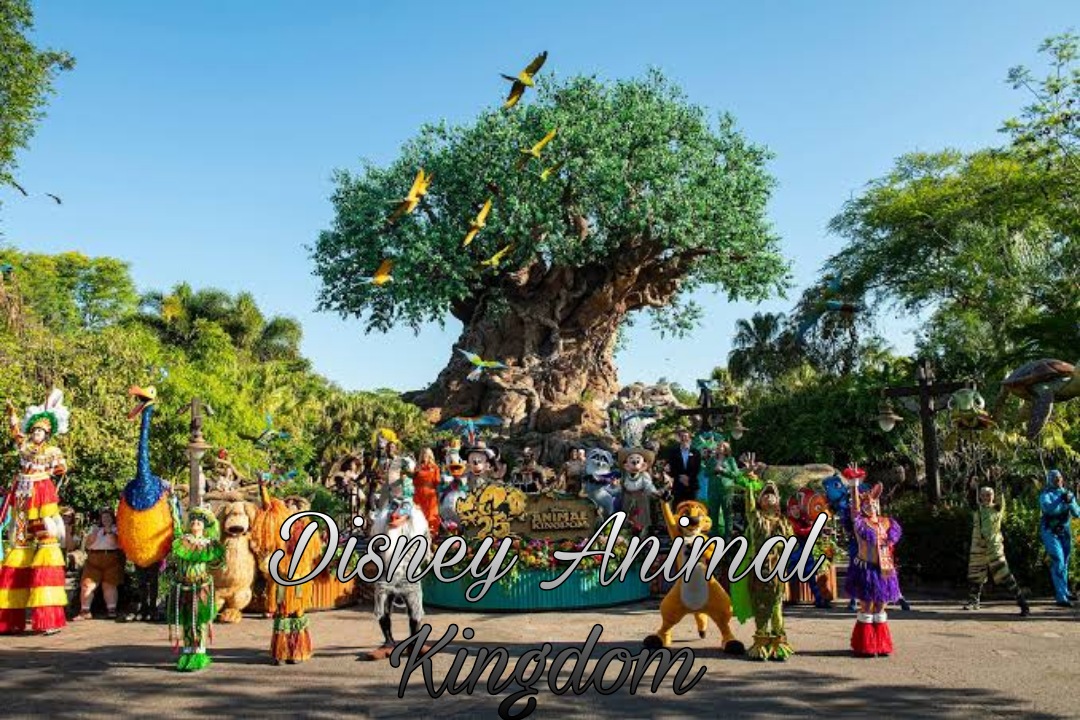
Animal Kingdom is the most underrated of the four Walt Disney World parks, and the DVC members who love it most tend to have a different kind of relationship with the parks than the average guest. They are not rushing from ride to ride. They are sitting on the Gorilla Falls Exploration Trail for twenty minutes watching a gorilla troop interact. They are booking Kilimanjaro Safaris for dawn when the animals are most active. They are doing the Maharajah Jungle Trek twice because the Komodo dragons were moving the second time.
If that sounds like you, this guide is worth reading carefully. Because the DVC resort that sits closest to Animal Kingdom is also one of the most unique resort experiences in the world, and it deserves more serious consideration than it gets in most DVC discussions.
Animal Kingdom Lodge: The Closest DVC Resort to the Park
Disney Animal Kingdom Lodge, specifically its DVC component Kidani Village, sits a short bus ride from Animal Kingdom and is also connected by a walking path to the park entrance. The resort is organized around a large savanna that wraps around the back and sides of the main building. From private savanna-view rooms and from multiple public viewing areas, guests can watch live African wildlife at any hour of the day or night. The savanna is home to over 30 species including giraffe, zebra, flamingo, wildebeest, ostrich, and more.
This is not a zoo exhibit behind glass. The animals move freely through the expansive savanna grounds, and the resort lighting at night is designed to let guests observe without disturbing them. Waking up at 6 AM and watching a giraffe pass by your balcony while you drink coffee is genuinely one of the most remarkable resort experiences Disney has created anywhere in the world.
Animal Kingdom Lodge has two main sections: Jambo House, the original main building, and Kidani Village, the DVC-specific building added later. Both share access to the savanna views. Kidani Village rooms tend to have a slightly higher percentage of savanna-view accommodations by design.
What Animal Kingdom Offers DVC Members
Animal Kingdom is 500 acres, which makes it the largest of the four Walt Disney World parks by area. It runs as a day park, with most guests arriving in the morning and leaving by early evening, which means afternoon hours can be genuinely quiet in sections that are not Avatar territory.
Flight of Passage
Avatar Flight of Passage is consistently rated as the top attraction at Walt Disney World, sometimes the top theme park attraction in the world. It is a simulator ride through the Pandora landscape that uses motion, wind, and sensory immersion in a way that is genuinely different from other simulator attractions. The wait times are typically the longest in the park. The best strategy for DVC members staying at Animal Kingdom Lodge is early entry: bus to the park, be at the rope drop for Pandora, and ride Flight of Passage before 9:30 AM when the queue begins to build.
Kilimanjaro Safaris
Kilimanjaro Safaris is a 18-minute open vehicle drive through a recreated African savanna habitat. The animals on the safari, including elephants, hippos, lions, cheetahs, giraffes, and dozens of other species, are living in genuinely expansive natural-style habitats. The animals are not on a schedule and their behavior changes every ride. Morning rides, typically 30 to 60 minutes after park open, give you the most active animal behavior. DVC members staying at Animal Kingdom Lodge have an inherent advantage here: you have already been watching the savanna from the resort, so you arrive at the safari with context for what you are seeing.
The Walking Trails
Animal Kingdom has two major self-guided walking trails that most guests skip entirely, and that is a mistake. The Gorilla Falls Exploration Trail, formerly called Pangani Forest Exploration Trail, winds through a recreated African research station setting past western lowland gorillas, hippos visible above and below water, and a large walk-through aviary. The Maharajah Jungle Trek takes guests through recreated temple ruins past Malayan tapirs, Komodo dragons, Malayan tigers, and a massive walk-through aviary with species from Asia. Both trails are included with park admission and take 20 to 30 minutes each at a relaxed pace.
Disney Animal Kingdom participates in over 70 conservation programs worldwide. The animals on the trails and the savanna are connected to field research, habitat protection, and breeding programs for endangered species. The educational signage throughout the trails is genuinely informative.
Festival of the Lion King and DINOSAUR
Festival of the Lion King is a 30-minute live theatrical performance that is one of the best shows at Walt Disney World. It seats around 1,500 guests in a theater-in-the-round setting and features acrobatics, aerial silk performers, stilted characters, and a full live musical performance of songs from The Lion King. It books up early in the day, so either arrive early or check the My Disney Experience app for same-day availability. DINOSAUR is a dark ride with practical effects and animatronics that holds up well, and tends to have shorter waits than the major attractions.
How Many Points Does Animal Kingdom Lodge Require?
Animal Kingdom Lodge, specifically Kidani Village, runs in the moderate range for DVC points. A standard studio at Kidani Village runs roughly 11 to 18 points per night depending on season and view category. A one-bedroom villa runs approximately 20 to 30 points per night in the same range. These are not the lowest-point resorts in the DVC system, but they are solidly in the middle range. Standard and savanna view rooms are both available, with savanna view costing a few more points per night but worth it for the experience.
Spring and fall are the most affordable point seasons at Animal Kingdom Lodge. Summer and holiday periods run higher, as they do at all DVC resorts.
Animal Kingdom Lodge Resale Pricing
On the resale market, Animal Kingdom Lodge, including both Jambo House and Kidani Village, typically trades in the $80 to $110 per point range. Kidani Village, which is the DVC-specific building, tends to run in the $85 to $105 per point range. Compare that to purchasing direct from Disney at $185 per point or more, and the resale savings are substantial.
The deed expiration for Kidani Village runs through 2057, giving resale buyers over 30 years remaining on the contract. Jambo House runs through 2042, which is shorter and usually reflected in a lower per-point price. Buyers who want maximum remaining contract length should focus on Kidani Village contracts specifically.
We should note: Animal Kingdom Lodge is one of the least-traded DVC resorts on the resale market because its owners tend to hold onto their contracts. People who purchase here usually love it and keep it. That means inventory can be limited and prices per point hold up reasonably well relative to other budget-tier DVC resorts.
The Case for Animal Kingdom Lodge Resale
Here is the honest argument for purchasing Animal Kingdom Lodge DVC on the resale market.
If you love Animal Kingdom as a park and find yourself returning to it every trip, home resort priority at Animal Kingdom Lodge is meaningful. The 11-month booking window lets you lock in savanna-view studios and one-bedrooms before they open to all DVC members at 7 months. The competition for savanna-view rooms at the 7-month window is real, because even members who are not home resort owners book Animal Kingdom Lodge when they can.
The resort as a destination in itself also matters. If your family does not need to be at a park every single day, Animal Kingdom Lodge gives you a resort that is genuinely engaging without a park ticket. Watching the savanna animals from the lobby or from a third-floor viewing area is free and available any time. The on-site restaurants, particularly Boma and Jiko, are two of the best African-influenced dining experiences in the United States. The resort atmosphere, the theming, the nighttime savanna viewing with the lanterns lit, it is something that does not exist anywhere else in the country.
Who Should NOT Purchase Animal Kingdom Lodge
Being direct here matters more than overselling.
If your primary parks are Magic Kingdom and EPCOT, Animal Kingdom Lodge is not the right home resort for you. Disney transportation from Animal Kingdom Lodge to Magic Kingdom takes 45 minutes or more. Getting to EPCOT is similarly time-consuming. Buyers who want park flexibility and plan to visit multiple parks per day should look at the EPCOT-area resorts or the monorail resorts instead.
Animal Kingdom Lodge also does not have the restaurant and entertainment district that BoardWalk or Disney Springs-adjacent resorts offer in the evening. The resort has excellent on-site dining, but you are more isolated than at some other DVC locations. For buyers who value being in the middle of activity in the evenings, that is worth knowing upfront.
The right buyer for Animal Kingdom Lodge is someone who loves the park, values nature and wildlife experiences, and appreciates a resort that is a genuine destination rather than just a hotel room close to the parks.
Frequently Asked Questions
Which DVC resort is closest to Animal Kingdom?
Animal Kingdom Lodge, both Jambo House and Kidani Village, is the closest DVC resort to Animal Kingdom. The park is accessible by bus and there is also a walking path available to guests.
Are the savanna views worth the extra points?
For most buyers, yes. The savanna view is the defining experience of staying at Animal Kingdom Lodge. Waking up to giraffe and zebra outside your balcony is something you cannot replicate at any other resort. The standard view rooms are more affordable, but the savanna view is the reason most people purchase at this resort.
What does Animal Kingdom Lodge resale cost?
Kidani Village typically trades in the $85 to $105 per point range on the resale market, compared to $185 or more per point direct from Disney. Browse our current resale listings or contact our team to discuss whether Animal Kingdom Lodge makes sense for your situation.
How active are the savanna animals at Animal Kingdom Lodge?
Animal activity varies throughout the day and with weather conditions. Mornings are generally the most active period. The resort has multiple savanna viewing areas accessible 24 hours, and staff are on hand to help guests spot animals in the evening. The herd on the Kidani Village savanna includes different species from Jambo House, so guests who spend multiple nights often see different animals each day.






Got Something on Your Mind?
Your email address will not be published. Required fields are marked *