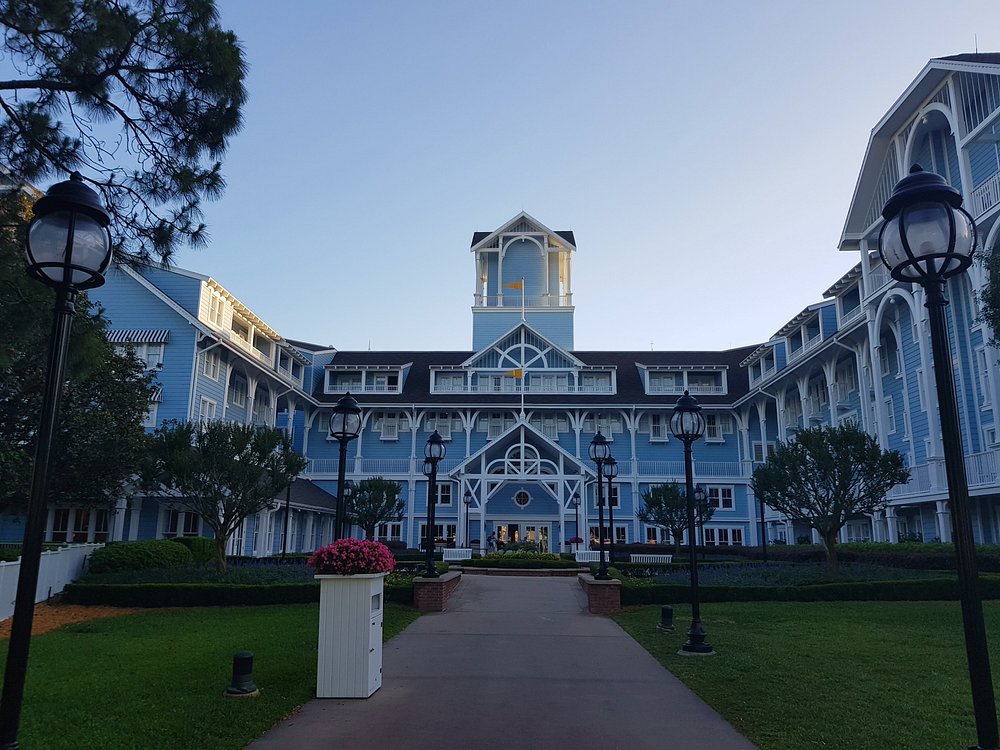



DVC Resale: The Complete Guide to Purchasing on the Secondary Market
A Disney Vacation Club membership purchased on the secondary market costs 40 to 60 percent less than purchasing the same points directly from Disney. The rooms are identical. The booking system is identical. The deed is the same deeded real estate. The difference is price, and on a 200-point contract that difference typically amounts to $25,000 to $50,000.
This guide covers the complete DVC resale process: how to choose a resort, how many points you need, what the buying timeline looks like, and what to expect at each stage from offer through closing.
What You Get with a DVC Resale Contract
A DVC resale membership is deeded real estate. When you purchase a contract on the secondary market, you receive a deed to a fractional interest in a specific Disney Vacation Club resort. That deed conveys ownership of a set number of annual points, which you use to book vacation accommodations across the DVC resort system.
Every resort accessible to resale members is available for booking. That includes Animal Kingdom Villas, Bay Lake Tower, Beach Club Villas, BoardWalk Villas, Boulder Ridge Villas, Copper Creek Villas, Grand Floridian Resort and Spa, Old Key West Resort, Polynesian Villas and Bungalows, Saratoga Springs Resort and Spa, Aulani in Hawaii, Hilton Head Island Resort, and Vero Beach Resort. For most members who vacation primarily at Walt Disney World, that covers everything they will ever want to book.
The points you receive each year through your resale contract work exactly like direct-purchase points for all standard booking purposes. You access the same member website, call the same reservations line, and compete for rooms in the same pool as every other DVC member. The home resort booking advantage (11 months out for your home resort, 7 months for all others) applies identically to resale members.
A full explanation of what resale members can and cannot access is on our DVC resale restrictions page.
DVC Resale Prices by Resort in 2026
Resale prices are set by individual sellers, not Disney, which is why they trade at a meaningful discount to direct retail pricing. Current resale prices vary by resort, contract size, and point balance at closing. The ranges below reflect general 2026 market conditions:
- Grand Floridian: $130 to $160 per point
- Polynesian: $125 to $155 per point
- Bay Lake Tower: $115 to $140 per point
- Riviera Resort: $90 to $115 per point (resale contracts cannot book Riviera itself)
- Beach Club: $110 to $135 per point
- BoardWalk: $95 to $120 per point
- Copper Creek: $110 to $135 per point
- Boulder Ridge: $80 to $105 per point
- Saratoga Springs: $100 to $125 per point
- Animal Kingdom: $90 to $115 per point
- Old Key West: $90 to $110 per point
- Aulani: $110 to $140 per point
- Hilton Head: $70 to $90 per point
- Vero Beach: $60 to $80 per point
Current listings with asking prices are on our DVC resale listings page. Resale prices fluctuate with market conditions, so actual contracts may fall above or below these ranges depending on timing and specific contract details.
Step 1: Choose Your Home Resort
Your home resort is the resort specified on the deed. It determines your booking priority: as a home resort owner, you can book rooms at that specific resort starting 11 months before your check-in date. For all other resorts, your booking window opens at 7 months.
At popular resorts during high-demand dates, that four-month window is the difference between getting the room you want and finding nothing available. Grand Floridian studios during Christmas week, Polynesian villas during spring break, Beach Club rooms during the EPCOT Food and Wine Festival are all gone at or near the 11-month window. The members who secure those rooms are home resort owners who booked months ahead.
At quieter resorts and during off-peak travel periods, the 7-month window is often sufficient. Saratoga Springs, Old Key West, and Animal Kingdom have more availability at 7 months than the Magic Kingdom area resorts. If you travel during September, October, or early January and have flexibility on resort choice, the home resort advantage matters less in practice.
The right home resort is the one where you most want to stay. After that, factor in cost per point and annual dues. Higher-demand resorts command higher resale prices and often carry higher per-point dues. Our home resort advantage guide covers the trade-offs in detail.
Step 2: Determine How Many Points You Need
Points are the currency of DVC. Every room at every resort has a per-night point cost that varies by resort, room type, and season. The actual costs are published in the official point charts, which you can browse on our DVC point charts page.
As a general guide for planning purposes: a studio for a week in a moderate season at a mid-tier WDW resort typically requires 70 to 100 points. A one-bedroom for the same trip requires roughly 120 to 160 points. Holiday week pricing at premium resorts can require 50 percent or more additional points per night compared to off-season rates.
The most common mistake buyers make is purchasing based on a single best-case trip scenario. Size your contract based on what you expect an average year of trips to require, not the most efficient trip possible. Annual dues follow your point total, so it helps to purchase no more than you will actually use each year.
Per-point annual dues in 2026 range from $8.31 at Grand Floridian to $14.89 at Vero Beach. A full breakdown of current dues for all 16 resorts is on our DVC annual dues guide.
Step 3: Find the Right DVC Resale Contract
DVC resale contracts are sold by individual owners, not by Disney. Inventory changes regularly as new contracts come to market and existing ones sell. Our listings page shows available contracts with resort, use year, contract size, available points, and asking price for each.
When evaluating a contract, consider four things beyond price and resort:
Use year. Every DVC contract has a use year, the month when annual points are deposited and when the membership year begins. The use year affects your banking deadline and which year's points you receive at closing. February and September are the most common use years. Matching your use year to your typical travel season is useful but not critical for most members.
Point balance at closing. A loaded contract that comes with the current year's full point allotment is more useful than a stripped contract where points have already been used. Loaded contracts typically command a higher asking price because the purchaser receives immediate points available for reservations.
Contract size. Smaller contracts (75 to 100 points) work well as add-ons for home resort priority at a specific resort. Larger contracts (150 to 250 points) serve as a primary membership. Very large contracts (300-plus points) are less common on the resale market and may take longer to sell when the time comes.
Contract expiration. Most WDW DVC resorts expire in 2042 or 2057. Resorts expiring in 2042 trade at a discount compared to resorts with longer terms. The shorter the remaining life of the contract, the lower the per-point cost tends to be.
Step 4: Make an Offer and Navigate ROFR
Once you find a contract, you submit an offer. The seller may accept, counter, or decline. When an offer is accepted, both parties sign a purchase agreement.
That executed agreement is then submitted to Disney for Right of First Refusal review. ROFR is Disney's contractual right to step into any secondary market transaction and purchase the contract at the agreed price. Disney has 30 days from receipt to decide whether to exercise that right. If they pass, the transaction proceeds to closing. If they exercise ROFR, they purchase the contract at your agreed price. The seller receives the same proceeds either way. You, as the purchaser, receive your deposit back and need to find a different contract.
Disney exercises ROFR on a fraction of transactions. Contracts priced near fair market value are less likely to be taken than contracts priced well below market. Our ROFR guide explains which resorts and price points are most at risk and what to expect during the review period.
Step 5: Closing and Account Setup
After Disney passes on ROFR, the transaction moves to a title company. The title company conducts due diligence, prepares the deed transfer documents, and collects signatures and payment from both parties. Closing typically takes one to two weeks after ROFR clears.
Purchaser costs at closing include:
- Disney Admin Transfer Fee: $500 (fixed, paid to Disney)
- Title insurance: $300 to $450
- Escrow and closing fees: $200 to $350
- Deed recording: $50 to $100
After closing documents are recorded, Disney processes the membership transfer. You receive a Member ID and can create your online account, typically within two to three weeks of closing. From that point you can make reservations using your points.
The full timeline from accepted offer to active membership is typically 45 days, with most of that time spent in the ROFR window and closing process.
Working with a DVC Resale Broker
A licensed DVC resale broker manages the ROFR submission, coordinates with the title company, verifies the contract is clean (no liens, dues current), and guides both parties through closing. At DVC Sales, our commission is 6.9 percent, compared to the industry average of 9.5 percent. That commission is paid by the seller, so as a purchaser you receive full broker services at no direct cost to you.
Purchasing directly from an owner without a broker carries meaningful risk. Title issues, dues arrears, and errors in the ROFR submission can delay or derail a transaction. An experienced broker handles all of that on your behalf.
What Resale Members Cannot Do
DVC resale contracts purchased after January 19, 2019 are subject to a set of restrictions that direct-purchase members do not face. The primary restriction is that resale points cannot be used to book three resorts that opened after that date: Riviera Resort, Disneyland Hotel DVC, and Cabins at Fort Wilderness.
Resale members are also excluded from Disney Collection bookings (using points for non-DVC Disney hotel rooms), Concierge Collection, and certain membership extras including some annual pass benefits.
For most members who vacation primarily at Walt Disney World DVC resorts, these restrictions have minimal practical impact. The dozen-plus resorts accessible to resale members include all of the most popular WDW DVC properties. The full breakdown of what resale members can and cannot access is in our DVC resale restrictions guide.