


DVC resale prices are shaped by a combination of resort desirability, contract specifics, expiration dates, and what Disney is willing to let pass through its Right of First Refusal process. If you are considering purchasing a DVC resale contract, understanding how pricing actually works gives you a meaningful advantage in negotiations and helps you avoid overpaying or walking away from a good deal because the numbers look unfamiliar.
This is a comprehensive guide to DVC resale prices: what you will pay, why prices vary between resorts, and what to factor in beyond the headline per-point number.
The Basics of DVC Resale Pricing
DVC contracts are deeded real estate, and like any real estate, they are priced based on what buyers and sellers agree to. The market sets the price. But unlike a house, DVC contracts are priced per point, which is the unit of the DVC membership. A contract specifying 150 annual points priced at $100 per point is a $15,000 transaction.
This per-point pricing framework lets buyers compare contracts of different sizes directly. You can compare a 100-point contract at $110 per point with a 200-point contract at $95 per point and understand that the second one is a lower per-point price, even though it costs more in total. Which is better depends on your needs and budget.
Why DVC Resale Is Cheaper Than Buying Direct
Disney sells DVC memberships directly to consumers, and those direct prices are set by Disney with significant marketing overhead, sales commissions, and profit margins built in. The resale market is made up of actual DVC members who want to exit their membership, and their pricing is constrained by what buyers are willing to pay and what Disney will let pass through ROFR.
The result is a consistent and meaningful price gap between direct and resale. Buyers who purchase resale are acquiring the same underlying deeded ownership at a lower price, with the trade-off that they do not receive certain Membership Extras that Disney reserves for direct purchasers. For most buyers, that trade-off is straightforward: the core DVC membership, the resort access, the booking windows, and the annual dues structure are identical.
You can see the current direct versus resale price comparison on our DVC retail prices page.
Price Ranges by Resort Category
Highest-Priced Resorts
The resorts that consistently command the highest per-point resale prices are those where the home resort booking advantage at 11 months is most valuable and where Disney property real estate is most limited.
Grand Floridian Resort and Spa sits at the top of the market. It is the premier Disney resort hotel, and DVC ownership there reflects that positioning. The Villas at Grand Floridian are beautiful, the location on the monorail is unbeatable, and the resort attracts buyers who want the most prestigious DVC address.
Polynesian Villas and Bungalows commands similar premium pricing. The combination of a tropical resort atmosphere, beach access, monorail connection, and proximity to Magic Kingdom makes Polynesian ownership genuinely valuable, particularly for families who prioritize the 11-month booking window for bungalows or standard view categories.
Bay Lake Tower at the Contemporary is the third monorail resort and prices accordingly. The rooftop deck with Magic Kingdom views and the walkable connection to the Contemporary create strong demand among buyers who want Magic Kingdom centrality.
Mid-to-Premium Tier
Beach Club Villas prices near the top of the mid-range market due to its proximity to EPCOT and its ownership of Stormalong Bay, the most requested resort pool on Disney property. During EPCOT festival seasons, the walking access to the International Gateway is particularly prized, and the 11-month booking window for preferred Beach Club rooms is heavily used by owners.
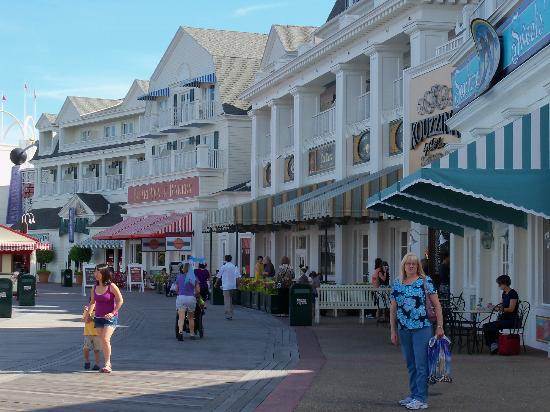
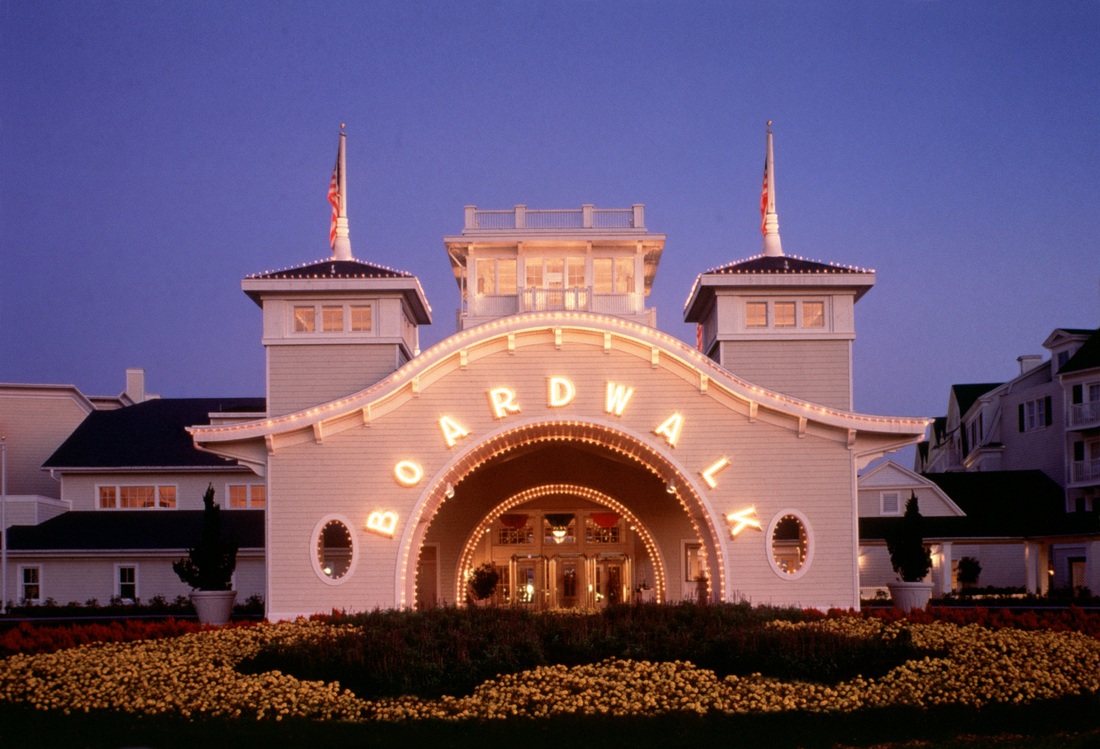
BoardWalk Villas sits adjacent to Beach Club along the EPCOT resort promenade and prices similarly, sometimes slightly below Beach Club depending on market conditions. BoardWalk offers a lively lakeside atmosphere with evening entertainment, and the same walking access to EPCOT that makes Beach Club desirable.
Mid-Market
Copper Creek Villas and Boulder Ridge Villas at Wilderness Lodge price in the mid-market range. Copper Creek is newer and generally commands a small premium over Boulder Ridge. Both offer a beautiful Pacific Northwest lodge setting and a boat launch to Magic Kingdom that many guests prefer to other transportation options.
Animal Kingdom Villas at both Jambo House and Kidani Village prices competitively in the mid-range. The savanna views at this resort are genuinely unique in the DVC system, and the Animal Kingdom park is immediately adjacent. Buyers who love Animal Kingdom are often specifically seeking this resort's 11-month window for savanna-facing rooms.
Value Tier
Saratoga Springs Resort and Spa and Old Key West are the most affordable Walt Disney World DVC resorts on the resale market. Both are large, established properties with genuine amenities, but neither commands the location premium of the monorail or EPCOT-adjacent resorts.
Saratoga Springs is the most popular entry-level DVC resort. Its location near Disney Springs, large size, and multiple amenity options make it a solid choice for buyers who want DVC membership at a lower per-point price and plan to use their booking flexibility across multiple resorts at the 7-month window.
Old Key West has some of the most spacious accommodations in the DVC system and a 2057 expiration date on extended contracts, making it particularly attractive for buyers who want both value and long-term ownership security.
What Affects the Price of a Specific Contract
Within any resort, individual contract prices vary based on several factors beyond the per-point base rate.
Available points. A contract where the seller has full current-year points available is more valuable than one where points have been used or heavily borrowed. Buyers pay a premium for contracts they can use immediately. Use year. Use years that align with popular vacation seasons can carry a modest premium, though this is usually minor compared to other factors. Contract size. Very small contracts (50 to 75 points) sometimes price above the standard per-point rate because demand from entry-level buyers is consistent. Expiration date. At resorts with multiple expiration dates available (like Old Key West, with both 2042 and 2057 contracts in circulation), the 2057 contracts price higher per point. Pending reservations. Contracts with upcoming reservations attached that the seller wants to cancel can create complications and are sometimes priced to reflect that.
The Role of Right of First Refusal
Disney's Right of First Refusal (ROFR) is the mechanism that prevents the resale market from collapsing to arbitrarily low prices. When a buyer and seller agree on a price, Disney has 30 days to match that price and purchase the contract themselves. If Disney exercises ROFR, the transaction ends and you need to find a different contract.
This creates a practical floor in the market. For high-demand resorts like Grand Floridian or Polynesian, Disney is more likely to exercise ROFR when prices dip too far below what they want to sustain. For lower-demand resorts, Disney exercises ROFR less frequently.
Our team at DVC Sales tracks ROFR activity closely. We can advise you on what offer levels are likely to pass for the specific resort you are considering, which saves you time and frustration from submitting low offers that Disney takes back.
Total Cost Beyond the Per-Point Price
The per-point purchase price is not the only cost you will pay when buying DVC resale. As a buyer, your total investment includes the contract price, closing costs paid to the title company, and Disney's $500 Administration Fee. You may also owe prorated annual dues on any points that are immediately available for your use.
DVC Sales does not charge buyers a commission. The seller pays our 6.9 percent brokerage commission and Disney's $150 Estoppel Fee. All buyer costs are disclosed clearly before you sign the purchase contract.
Annual dues are the recurring cost you pay every year for the life of your ownership. These vary by resort and are assessed per point. Over a 20-year ownership period, annual dues represent a significant portion of the total cost of DVC ownership. See current dues rates on our DVC annual dues page.
Financing DVC Resale
DVC resale can be financed. Disney does not offer financing for resale purchases, but third-party lenders who specialize in timeshare and vacation club financing do. Interest rates on these loans tend to be higher than conventional mortgage rates because the collateral is specialized. For buyers who plan to finance, the real cost of ownership increases meaningfully, so it is worth understanding the full loan terms before committing.
Some buyers prefer to pay cash for DVC resale, treating it as a prepayment for future Disney vacations at a guaranteed cost. If the math works for your family's vacation spending, this approach is straightforward. If financing is necessary, make sure the monthly payment is sustainable over the full loan term.
Learn more about DVC financing options on our DVC financing page.
How to Find Current DVC Resale Prices
The most accurate way to understand current DVC resale prices is to look at what is actually listed. Browse our DVC resale listings to see active contracts across all resorts with full pricing detail. You can filter by resort, point count, and price range to find options that fit your needs.
For a side-by-side comparison of resale versus what Disney charges directly, our retail price page shows current market data. And if you want to talk through pricing for a specific resort or contract, our team at DVC Sales is available to help without any pressure or obligation.
Understanding DVC resale prices is the foundation of making a smart purchase. The buyers who do best are the ones who understand the full picture, not just the headline number, and who work with experienced brokers who can help them navigate the specifics of each contract. We have been doing this for over 25 years, and we are here to help you get it right.

