


How to See How Long a DVC Listing Has Been Active
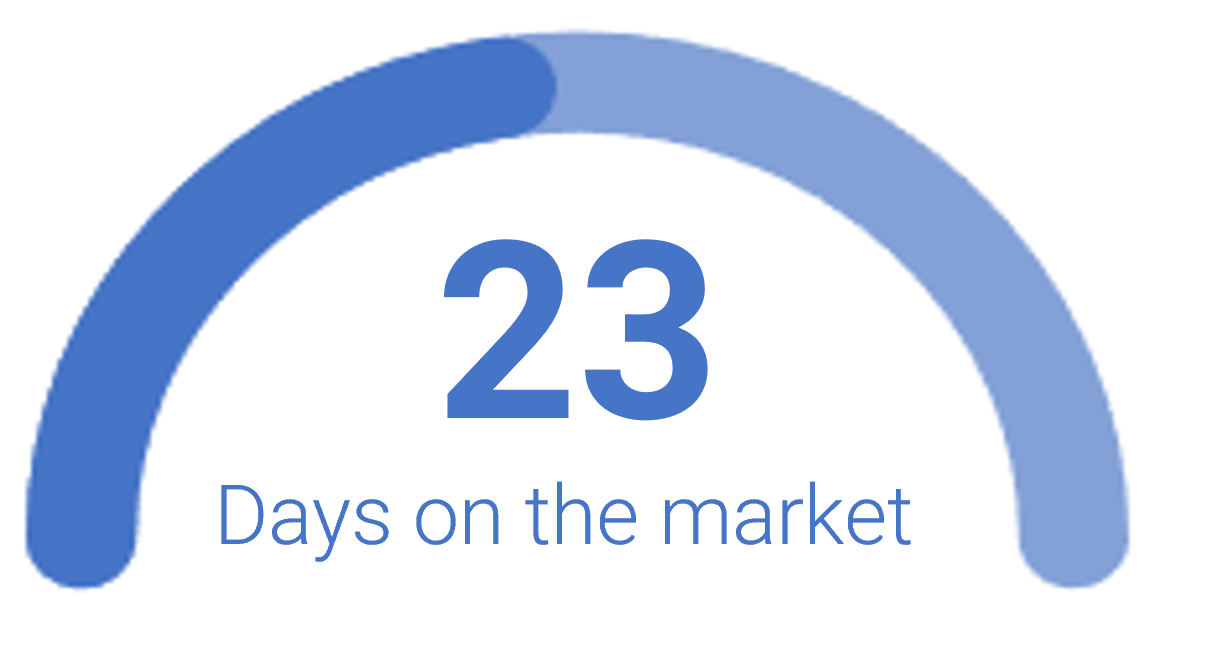
Every listing on DVC Sales includes the date it was first posted. You can find this information on the listing detail page for any active contract. Knowing how long a contract has been on the market is genuinely useful information whether you are a buyer evaluating your offer strategy or a seller trying to understand why your listing has not moved.
What Listing Age Tells You as a Buyer
A listing that went live in the last week or two and is priced competitively for its resort is probably attracting interest from multiple buyers. If a contract at Beach Club or Polynesian appears at a fair market price and it is newly listed, other buyers are likely looking at it too. In that situation, moving quickly with a serious offer is more important than trying to negotiate a deep discount. A strong offer submitted promptly on a fresh, well-priced listing is more likely to close a deal than a lower offer submitted after a few days of deliberation.
A listing that has been active for four to six weeks without any price change is a different situation. That listing is either priced above market or has some other characteristic that is reducing buyer interest. It does not necessarily mean the contract is a bad buy. It may simply mean the seller has been holding firm on a price that the market has not yet reached. In that context, there may be more room to negotiate than with a fresh listing. The seller has had time to see that offers are not coming at their asking price, and they may be more receptive to a reasonable offer below asking than they were when the listing first went live.
A listing that has been sitting for 90 days or more with no price adjustments is sometimes a signal that either the seller is not motivated or the asking price is significantly above market. Either way, these listings require careful evaluation. Check how the price per point compares to the current competitive landscape at that resort. If it is materially above comparable contracts, a very low offer is still unlikely to succeed, but a thoughtfully priced offer with realistic context can occasionally move a long-dormant listing.
What Listing Age Tells You as a Seller
If you are on the selling side and your listing has been active for more than two to three weeks without generating an offer, listing age is the first indicator that something needs attention. At DVC Sales, most competitively priced contracts receive inquiries or offers within two to four weeks. If yours has not, the most likely explanation is pricing.
Log into your seller dashboard and check your Section 3 ranking. That shows you exactly where your contract stands among all active listings at your resort based on price per point and available points. If you are ranked outside the top 8 at a resort with 20 or more active listings, you are competing in an unfavorable position. A price adjustment of $4 to $6 per point can often move you from the middle of the pack into the top tier, which is where the offer activity concentrates.
The longer your listing sits without activity, the harder it gets to sell at your current price. Buyers notice listing age. An older listing with no price history raises questions, even when the only real issue is that the asking price is slightly above current market. Getting ahead of the problem with an early, proactive adjustment typically produces better results than waiting months and then reducing.
Annual Dues and the Cost of Waiting
Here is a calculation that sellers sometimes overlook. Every month a listing sits unsold is a month you are paying annual dues on points that have not transferred. If your contract has 180 points per year and dues run $1,980 annually, that is $165 per month in dues you are paying while the listing waits. Over six months, that is $990 you have paid to maintain a contract you are trying to sell.
When you compare that ongoing carrying cost against the proceeds difference between your current asking price and a slightly more competitive price, the math often favors the adjustment. A $4 per point reduction on a 180-point contract is a $720 difference in total proceeds. But if that reduction leads to an offer two months sooner than you would have gotten at the higher price, you save $330 in dues during those two months. The gap shrinks further with every additional month the higher-priced listing sits.
This is not a reason to underprice your contract from the start. But it is a strong argument for responding to market signals early rather than waiting and hoping the market comes to you. It usually does not, and the dues clock does not pause while you wait.
How DVC Sales Pricing Tools Help
Your Section 3 ranking in the seller dashboard is updated in real time. When other listings at your resort go under contract or when sellers adjust their prices, your ranking shifts. Checking it every two weeks gives you a current read on whether your position is holding or slipping relative to the competition.
If you see your ranking dropping over time without any improvement in offer activity, that is a direct signal that the market is moving below your current price. Other sellers are adjusting, new listings are coming in at more competitive prices, and your contract is drifting toward the bottom of the buyer's consideration set. Getting a ranking update before that drift extends too far is the proactive approach.
For Buyers Tracking a Specific Listing
If you have been watching a specific listing for a while and noticed it is still active after several weeks, it may be worth reaching out to make an offer. The seller has had time to see what the market response has been, and a well-researched offer that reflects current comparable pricing has a reasonable chance of generating a productive response.
Check the current active listings at the same resort first to confirm where comparable contracts are priced. If your target listing is sitting above the current market average for comparable contracts, your offer can reasonably be anchored to the market rather than to the asking price. That is a legitimate negotiating position and one that sellers in long-listing situations often understand.
What Listing Age Does Not Tell You
While listing age is a useful signal, it does not tell you everything. A listing that has been active for 45 days might be priced right and simply waiting for the right buyer to find it. Some contracts at less popular resorts simply have smaller buyer pools, and a competitively priced listing at a lower-demand resort can sit for six to eight weeks before the right buyer comes along. That is not the same situation as an overpriced listing that has been sitting because the seller refuses to adjust.
Similarly, a new listing is not automatically worth a full asking price offer. If a listing just appeared at a price per point that is 20 percent above comparable active contracts at the same resort, the fact that it is fresh does not make it correctly priced. New listings can be overpriced too, and buyers who make snap decisions based on a listing's recency rather than its value are not making their best move.
Use listing age as one data point among several, not as a standalone judgment. A listing that is new, priced correctly, and fully loaded with available points at a high-demand resort is the picture of a contract worth moving quickly on. A listing that is new and significantly overpriced at a lower-demand resort might sit for months regardless of when you submit an offer.
Sellers: What to Watch Besides Your Section 3 Ranking
Section 3 ranking is the primary metric to track as a seller, but it is not the only useful signal. Pay attention to the other listings at your resort over time. If listings that appeared at the same time as yours have gone under contract while yours has not, that tells you something direct about relative pricing. If a listing that was ranked below yours in the early weeks has now surpassed you because the seller adjusted their price, that is also telling you something.
Monitor whether new listings at your resort are coming in above or below your current asking price. If multiple new listings appear at prices lower than yours, your ranking will naturally slip without you changing anything. Staying aware of new competition keeps you from being caught off guard by a drift you did not notice until it had been happening for weeks.
Finally, look at the seasonality of your market. Some resorts see demand spikes during certain times of year. A listing that appeared at a slightly slow period might need to hold a bit longer before buyer activity picks up. That does not mean pricing is irrelevant, but it can explain why a well-priced listing might take a few extra weeks in a seasonal slow period compared to the same listing in a more active window.
For context on market-wide pricing trends across all DVC resorts, our team can walk you through what is happening at specific resort locations. And if you are a seller trying to evaluate whether a price adjustment makes sense for your specific contract, the contact page is the fastest way to get a direct read from our team. You can also review our annual dues page to see the ongoing cost picture that both buyers and sellers are weighing when they evaluate DVC resale contracts.

