


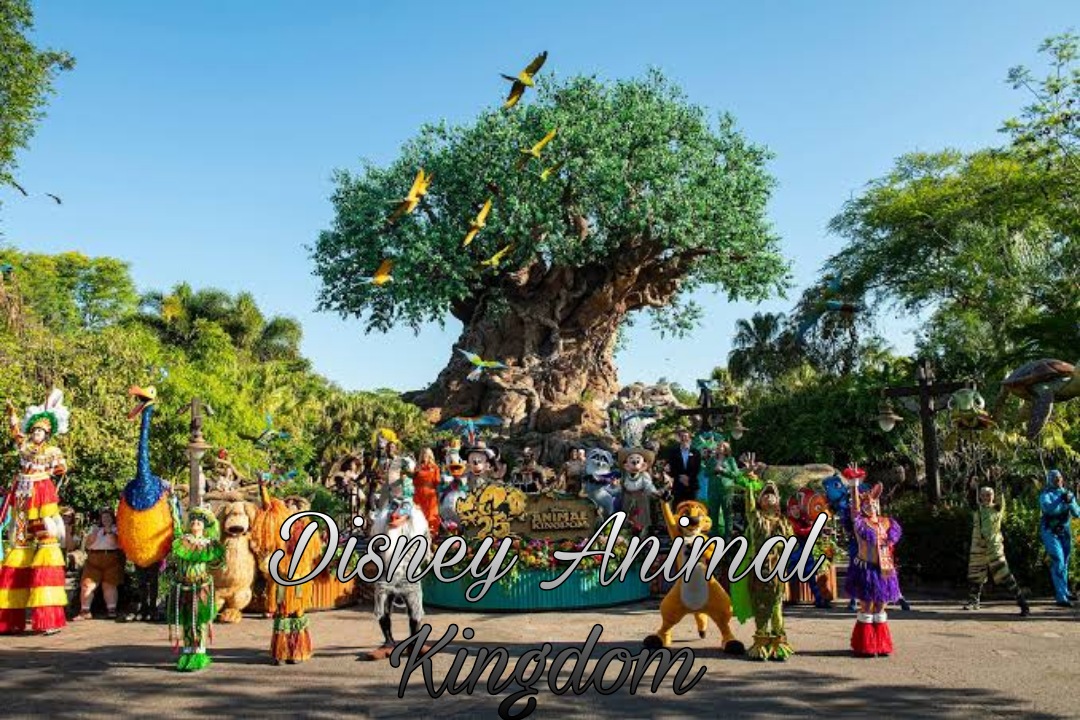

Most visitors to Disney's Animal Kingdom come for the rides: Avatar Flight of Passage, Expedition Everest, and Kilimanjaro Safaris. These are all excellent. But there is a layer of the park that a significant portion of guests walk past without actually stopping, and it is one of the genuinely impressive things Disney has built in the entire resort. The walking trails at Animal Kingdom are self-paced, quiet, free with your park admission, and give you access to real wildlife in environments that Disney has spent decades refining.
For DVC members who visit Animal Kingdom on multi-day trips rather than trying to cram everything into a single rushed day, these trails are where the park reveals a different dimension of itself. Here is what you will find on each one and why they are worth building into your schedule.
Maharajah Jungle Trek
The Maharajah Jungle Trek is in the park's Asia section, set within the fictional ruins of a Maharajah's palace complex. The trail runs approximately half a mile through recreated temple ruins, lush vegetation, and a series of themed viewing areas. The architecture and detailing are exceptional even by Disney's standards. Crumbling stone walls covered in painted murals, overgrown with vines, with visible evidence of the imagined palace's history built into every surface.
The wildlife on the Maharajah Jungle Trek is real. Bengal tigers are the marquee attraction, viewed through large glass windows that allow close observation without visible barriers. The tigers have a substantial habitat that includes a pool, shaded areas, and terrain that allows them to move and behave naturally. Early morning and late afternoon tend to have more tiger activity than midday when they often rest in shaded spots. Even when they are resting, observing tigers up close with no cages and no obvious separation is a different experience than a zoo exhibit.
Beyond the tigers, the trail includes a large walk-through aviary where birds from South and Southeast Asia fly freely around guests. Fruit bats in an indoor viewing room, Komodo dragons, Asian small-clawed otters, tapirs, and various deer species are also part of the trail depending on current animal care schedules.
Allow 45 minutes to an hour if you want to move slowly enough to actually observe animals rather than just walk past the viewing areas. The shaded pavilions throughout the trail make midday visits reasonably comfortable even in Florida summer heat. The air-conditioned bat exhibit provides a welcome break.
Gorilla Falls Exploration Trail
The Gorilla Falls Exploration Trail is in the Africa section, themed as an African research station that scientists use to study local wildlife. The trail's aesthetic is functional and naturalistic rather than ruined and romantic like the Maharajah Jungle Trek. Research charts, equipment, and signage from the imagined research station are integrated throughout.
The trail's centerpiece is the Western lowland gorilla habitat, which is genuinely one of the most impressive animal exhibits in any park setting anywhere. The habitat is large, with multiple levels, climbing structures, and enough space for the troop of gorillas to spread out and interact naturally. Glass panels at ground level allow close viewing while higher observation decks provide a broader view of the habitat. Spending 15 to 20 minutes at the gorilla habitat, watching the troop interact, is consistently cited by visitors as one of the most memorable experiences at any Disney park.
Beyond the gorillas, the trail includes an underwater hippopotamus viewing area where you can watch hippos from below the water surface, meerkats, African pygmy geese and other waterbirds, naked mole rats in an indoor exhibit, okapi, and various other African species.
This trail is fully outdoors and well-shaded by the extensive African vegetation along the path. It runs about a third of a mile and takes 40 to 60 minutes at a thorough pace. The gorilla area specifically benefits from longer observation time, and guests who sit for 10 or 15 minutes watching the troop tend to see more behavior than guests who stop for a minute and move on.
Discovery Island Trails
The Discovery Island Trails are shorter and less dramatic than the other two walking trails, but they are centrally located near the Tree of Life and worth incorporating into any park visit. The trails wind around the base of the Tree of Life through landscaped areas featuring smaller animals: ring-tailed lemurs, red kangaroos, cotton-top tamarins, and a variety of birds.
The Tree of Life itself is worth examining closely. The trunk and roots of the artificial tree contain over 325 carved animal figures, created by the same artists who worked on the park's other detailed surfaces. Many guests walk past the Tree of Life without realizing the carvings are there. Looking for specific animals in the carvings has become a family activity for repeat visitors who challenge themselves to find different creatures each trip.
The Discovery Island Trails are smaller in scale than the other two but provide a pleasant 20-minute walk that rewards looking carefully rather than moving quickly.
How to Get the Most From the Trails
Time your visit strategically. Animals are generally more active in the cooler parts of the day: the first two hours after park opening and the last two to three hours before closing. Midday is when tigers and gorillas are most likely to be resting in shade. That said, the trails are still worth visiting at midday when park attractions have longer lines, because even resting animals are interesting to observe and the environments themselves are remarkable independent of animal activity.
Slow down. This is the one piece of advice that makes the most difference. The guests who remember these trails as highlights of their Animal Kingdom visit are invariably the ones who spent 15 minutes at the gorilla habitat watching the troop interact rather than walking past at theme park pace. The animals respond to the time of day, to each other, and to random events in their environment. Watching for a few minutes usually produces something worth watching.
Read the exhibits. Disney has invested seriously in the educational content along these trails. The signage about gorilla social structure, tiger conservation status, and the research programs Disney supports through the Disney Conservation Fund is informative and not dumbed down. Children who engage with the exhibits tend to have more meaningful experiences than those who just walk through looking for animals to find and check off.
Bring appropriate footwear. The trails are paved and level, fully accessible, and not physically demanding. They are outdoors and can be humid. Comfortable walking shoes are fine. There is no need for anything special, but sandals that do not stay on reliably become annoying over longer trail walks.
Animal Kingdom Lodge and the Savanna
Animal Kingdom Lodge, which is the DVC resort adjacent to the Animal Kingdom park, extends the wildlife observation experience beyond the park itself. The resort was built around three savannas, where a rotating roster of African animals, giraffes, zebras, wildebeest, ostriches, and others, graze throughout the day and into the evening.
Savanna-view rooms at Jambo House and Kidani Village overlook these grasslands from private balconies. Waking up in the morning to find giraffes grazing 50 feet from your balcony is a fundamentally different resort experience from anything else at Walt Disney World. The savanna observation is available from both the guest rooms and from public viewing decks accessible to all resort guests.
For DVC members who love the wildlife dimension of Animal Kingdom, the combination of the park's walking trails and a savanna-view stay at Animal Kingdom Lodge creates a wildlife-focused vacation experience that is genuinely distinctive. You can see our resort overview for more details on Animal Kingdom Lodge, including both Jambo House and Kidani Village room categories and savanna view options.
Current resale pricing at Animal Kingdom Lodge is shown on our active listings page.
Disney's Conservation Work
Disney's Animal Kingdom is not purely entertainment. Disney operates the Disney Conservation Fund, which has directed over $100 million toward wildlife conservation, research, and protection since 1995. Animal Kingdom staff include real wildlife scientists, veterinarians, and conservation biologists alongside the guest-facing cast members.
The animals on the walking trails and Kilimanjaro Safaris are not decorations. They are the physical representatives of conservation programs, and the educational components of the walking trails reflect genuine effort to connect guest experiences to the broader conservation mission. Disney's involvement in programs protecting gorillas, tigers, elephants, and other species in the wild is real and ongoing.
For families who want to engage with this dimension of Animal Kingdom, the walking trails are the primary venue where that conservation story is told in detail. The Rafiki's Planet Watch area, accessible by the Wildlife Express Train, goes even deeper into the conservation and veterinary care aspects if your family is interested in that level of depth.
Frequently Asked Questions
Are the walking trails accessible for guests with mobility limitations?
All three Animal Kingdom walking trails are wheelchair accessible with paved, level pathways and gentle slopes. The trails include multiple rest areas with benches, and the viewing areas are designed to accommodate guests using wheelchairs or electric conveyance vehicles. The trails are among the most accessible experiences in any Disney theme park.
How long does it take to do all three trails?
At a thorough pace, allowing time to observe animals and read educational content, the three trails combined take about 2 to 3 hours. If you are visiting Animal Kingdom primarily for the riding attractions and want to add the trails as a secondary activity, an hour and a half allocated across all three gives you enough time for meaningful observation at each stop without rushing.
What is the best trail for children who are easily bored?
The Gorilla Falls Exploration Trail tends to hold children's attention most consistently because the gorillas are highly engaging animals with complex social behavior that children can observe and interpret. The tigers on the Maharajah Jungle Trek are visually dramatic when visible but less behaviorally active than gorillas during typical viewing times. The Discovery Island Trails are the shortest and work well for families with limited time or younger children whose patience for slow observation is limited.
Does DVC membership give any specific access to Animal Kingdom's wildlife areas?
DVC membership itself does not provide specific access to Animal Kingdom's trails beyond what is included with park admission. However, DVC members staying at Animal Kingdom Lodge have access to the resort's savannas from the property's public areas and can observe wildlife there independent of park visits. Extended evening hours at Animal Kingdom are available to all Disney resort guests and can provide an opportunity to visit the trails with dramatically smaller crowds.
If you are interested in Animal Kingdom Lodge as a potential home resort and want to understand the ownership specifics, feel free to reach out to us at DVC Sales.

