



What You Need to Know Before Buying a Disney Timeshare
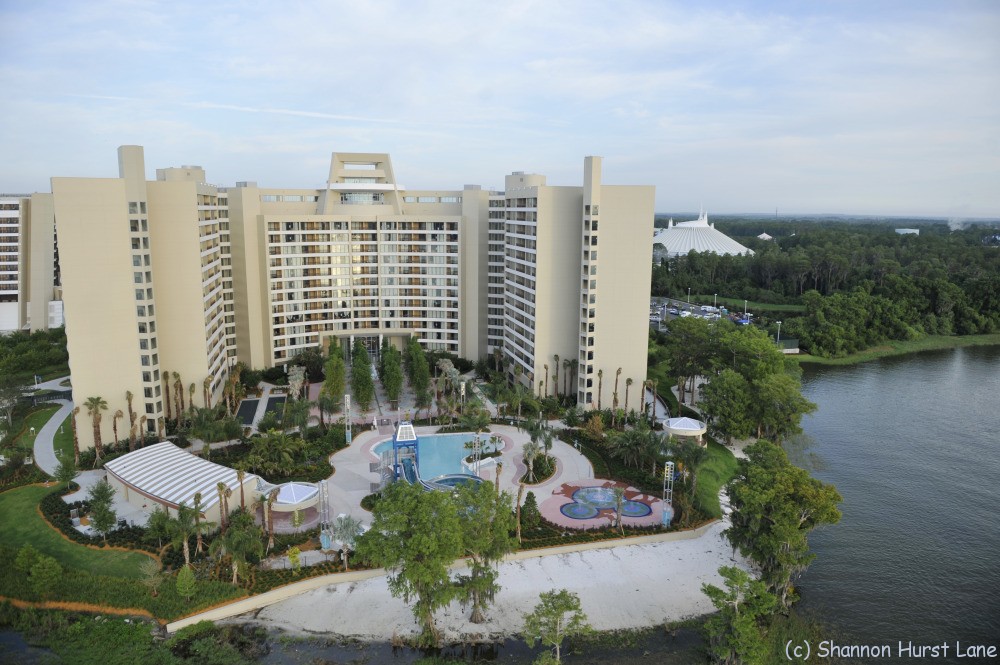
The phrase "Disney timeshare" gets used a lot, but Disney Vacation Club is not quite a traditional timeshare and understanding the difference matters. This page explains how DVC actually works, what you own when you buy in, and why so many families find it to be one of the smarter ways to fund regular Disney vacations.
How DVC Differs from a Traditional Timeshare
Most timeshares lock you into a specific week at a specific property. You own that week, and your flexibility is limited. Disney Vacation Club takes a different approach. Instead of a fixed week, you own a number of points tied to a home resort. You use those points to book stays, and the number of points required changes based on the resort, the room type, and the time of year.
That flexibility is one of the things that draws people to DVC. You can take a short trip one year and a longer one the next. You can bank points from this year into next year, or borrow from next year to take a bigger trip now. You can book a studio for a quick trip or a three-bedroom grand villa for a family reunion. The points system adjusts to what you actually want to do.
DVC is also deeded real property. You own an interest in a specific resort, and that deed is recorded in Florida (or California, Hawaii, or South Carolina depending on the property). You can sell it, will it to your children, or transfer it. Traditional timeshares are often just use rights, not actual property ownership. DVC ownership is real in a legal sense.
The DVC Resort Network
One of the biggest benefits of DVC membership is the range of properties you can access. The system includes resorts at Walt Disney World, Disneyland Resort, Aulani in Hawaii, Hilton Head Island in South Carolina, and Vero Beach on Florida's Atlantic coast.
At Walt Disney World, the DVC options span from the iconic Grand Floridian on the Magic Kingdom monorail loop to the European-inspired Riviera Resort with Skyliner access to EPCOT and Hollywood Studios. There are lodge-style resorts in forested settings, boardwalk-style properties with direct park walking access, and newer cabin-style accommodations. The variety is genuine, and different families have genuinely different preferences.
You can explore all the options on our DVC resorts page. Each property has different theming, different amenities, and different point charts. Where you own matters, and we help buyers think through that before committing to a contract.
How the Booking System Works
As a DVC member, you book your vacations through the Disney Vacation Club member website or by calling Member Services. Availability is based on your points, your home resort, and how far in advance you are booking.
For your home resort, you can book 11 months before your check-in date. This advance booking window is the main strategic advantage of home resort ownership. For every other DVC resort in the system, the window opens at 7 months. That is still earlier than most Disney hotel booking windows, but it is competitive for popular resorts and peak travel periods.
Points required for a stay vary by room type, resort, and season. A studio at a lower-demand resort during a slow time of year costs fewer points than a two-bedroom at a high-demand resort during a holiday week. DVC publishes point charts for every resort so members can plan accordingly.
Banking and Borrowing Points
DVC gives members real flexibility through banking and borrowing. If your use year runs from January to December and you reach October without using all your points, you can bank them. Banking moves unused points into next year's allotment, effectively giving you more points to work with for a future trip. There is a deadline, typically around eight months into your use year, before which you must bank to preserve unused points.
Borrowing works in the other direction. If you do not have enough points for the trip you want this year, you can borrow from next year's allotment. Those borrowed points are drawn against your future allocation, so next year you will have fewer to work with. Some buyers deliberately borrow to fund a big trip every other year, then live on a lighter point year in between.
This kind of flexibility is one reason DVC works well for families who do not vacation on a perfectly consistent schedule.
The Cost of Owning DVC
There are two components to the cost of DVC ownership: the purchase price and the annual dues.
The purchase price is what you pay to acquire the contract. Buying on the resale market through DVC Sales means you are paying market rates, which are typically significantly below what Disney charges for new contracts. You can compare current resale prices to Disney's retail pricing on our retail prices page and use our compare prices tool to see how different resorts stack up.
Annual dues are the ongoing maintenance fees that every DVC member pays, regardless of whether they purchased direct or on the resale market. Dues are charged per point and vary by resort. The DVC annual dues page has current rates. These fees increase over time, so they are worth factoring into any long-term cost analysis.
When you add it all up and compare to what you would spend on equivalent Disney deluxe hotel rooms over the same period, DVC often makes financial sense for families who vacation at Disney regularly. That said, it is an ownership commitment, not a budget travel hack. It works best for people who genuinely love Disney and plan to keep going back.
Buying DVC on the Resale Market
The resale market is how most DVC buyers outside of new resort sales find their contracts. Current DVC members who want to sell list their contracts with a licensed resale brokerage like DVC Sales. The brokerage markets the contract, facilitates offers and negotiations, handles the purchase agreement, and coordinates with the title company and Disney to complete the transfer.
Buying resale has one key advantage over buying directly from Disney: price. Resale contracts almost always cost less per point than what Disney charges for equivalent new contracts. The savings are real and can be substantial depending on the resort.
There is a catch. Disney has the Right of First Refusal on all resale transactions. When you and a seller agree on a price, the contract goes to Disney, who has 30 days to decide whether to match your offer and take the contract back. Most of the time Disney passes and the sale proceeds normally. But it is part of the process and adds some time to the timeline.
Additionally, some resale buyers lose access to certain Disney Membership Extras perks that are exclusive to direct buyers. For most buyers, the core DVC experience is unchanged, but it is worth understanding the full picture before you decide.
Browse our current DVC resale listings to see what is available, or visit our how DVC works page for a more detailed breakdown of the entire ownership experience.
Is DVC Right for Your Family?
DVC is a good fit for families who visit Disney at least every year or two, prefer the space and amenities of a villa over a standard hotel room, and want to lock in the cost of future Disney vacations at today's prices rather than paying whatever the hotels charge each year.
It is not a great fit for people who visit Disney only occasionally, dislike the idea of any ongoing financial commitment, or prefer total flexibility in their travel destinations without any planning around a points budget.
If you are on the fence, the best thing to do is talk with someone who knows the product well. Our team at DVC Sales has helped thousands of families make this decision, and we are honest about when it makes sense and when it does not. Reach out through our contact page and we will give you a straight answer based on your situation.

