


Five Disneyland Mistakes That Cost Families Real Money and Real Time
After working with DVC families for over 25 years, I have watched a lot of Disneyland vacations go sideways for completely preventable reasons. Not catastrophic failures. Just the kind of decisions that drain the magic out of a trip and leave parents quietly calculating how much each hour actually cost them.
Disneyland is a high-stakes environment. Park tickets run $104 to $179 per person per day. A seven-night stay at Grand Californian Hotel can easily top $4,000 to $6,000 at cash rates. When you are spending that kind of money, even one avoidable mistake matters.
Here are the five mistakes I see most often, and what to do instead.
Mistake One: Skipping the Research Window
Disneyland today requires advance planning in a way it simply did not five years ago. The park uses a tiered pricing system, a Lightning Lane reservation structure, and limited-capacity events that you need to understand before you arrive. Walking in without doing that homework is a bit like showing up to a college course the day of the final exam.
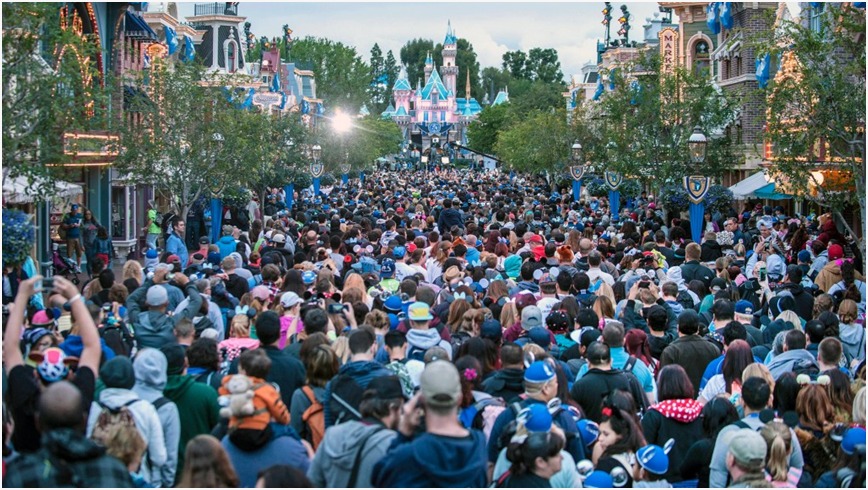
The biggest research gap I see is underestimating crowd calendars. Families assume that off-peak travel means quiet parks. But Disneyland sits in the middle of the most densely populated region of California. A "slow" Tuesday in January can still hit 60,000 visitors if it falls during a local school break or a major event weekend. Rise of the Resistance can hit two-hour waits on days that look perfectly manageable on a crowd chart.
My recommendation: start your research at least 60 days before your trip. Download the Disneyland app and spend an hour getting familiar with how the Lightning Lane system works before you are standing in the park trying to figure it out. Learn the difference between the Lightning Lane Multi Pass and the Individual Lightning Lane purchases, which cover the most popular rides at a separate per-person cost.
Crowd calendars from TouringPlans and similar sites give you reasonable predictions, but treat them as guidance rather than guarantees. Build flexibility into your itinerary. If Rise of the Resistance hits a two-hour standby line at 10 AM, your backup plan should already exist.
Park Hopper tickets cost an additional $65 per person per day. For busy season visits, that upgrade is often worth it. When one park reaches peak capacity, the other frequently has shorter lines and more room to breathe.
Mistake Two: Choosing a Hotel Based on Price Per Night
This one trips up first-time Disneyland visitors more than any other mistake on this list. The logic seems reasonable enough. Why pay $500 a night at Grand Californian when there is a hotel two miles away for $180?
Here is what that $180 hotel actually costs you. Parking at the Disneyland Resort structure runs $35 per day. You lose 20 to 30 minutes each morning walking from a remote hotel or waiting for a shuttle. You lose another 20 to 30 minutes coming back for afternoon breaks, if you even bother. By day two of a five-day trip, most families staying off-property stop going back to their room during the mid-day lull because the hassle is not worth it.
That mid-day break is genuinely important. Crowds peak from about 11 AM to 4 PM. Temperatures in July and August regularly hit 90 degrees. Young children hit walls of exhaustion that no amount of ice cream can fix. Families who can walk back to their hotel, swim for an hour, and return refreshed experience the parks completely differently than those grinding through hour seven without a break.
For families who visit Disneyland more than once every few years, purchasing a DVC resale contract at Grand Californian Villas changes this math dramatically. A studio villa that sleeps four costs roughly 98 to 126 points per week depending on the season. At current resale prices, that works out to a much lower effective nightly rate compared to booking the equivalent hotel room at cash rates year after year.
If DVC is not in your plans right now, look at Good Neighbor Hotels within walking distance of the parks. The Anaheim hotels right on Harbor Boulevard give you speed and park benefits without the full Disney hotel price tag.
Mistake Three: Ignoring the Lightning Lane System
The Lightning Lane Multi Pass costs roughly $30 per person per day at Disneyland. For a family of four, that is $120 on top of already expensive park tickets. I understand why people skip it.
But here is the math that matters. Without any Lightning Lane access, a typical visitor on a busy day can experience five to seven attractions, spending big chunks of time just waiting in line. With the Multi Pass working properly, that same visitor can realistically experience ten to fourteen attractions. When you have paid $150 or more per person just to enter, the arithmetic shifts.
The key is using it efficiently. Book your first Lightning Lane reservation the moment you enter the park at opening. Once you use that reservation, you can book the next one. Guardians of the Galaxy and Millennium Falcon often run out of availability by early afternoon on busy days. Book those early if they are on your list.
Individual Lightning Lane purchases sit on top of the Multi Pass and cost $7 to $25 per person for specific headline attractions. Rise of the Resistance is the one most families want. These sell out fast on busy days, and they come with a timed return window, so plan your day around whichever window you receive when you purchase.
On genuinely slow days in early January or mid-February, skip it entirely. When standby waits stay under 25 minutes across the board, the Multi Pass does not earn its cost. But for spring break, summer, holiday weekends, or any Friday through Sunday, it is worth serious consideration.
Mistake Four: Having No Dining Strategy
Table-service restaurants at Disneyland open reservations 60 days before your visit. Blue Bayou, Carthay Circle, and character dining at Plaza Inn fill up within hours of becoming available. If you wait until the week before your trip to think about dining, you are eating quick service for the entire vacation.
The mobile order feature inside the Disneyland app genuinely saves time at quick-service locations. You can order while waiting in an attraction queue, get a notification when your food is ready, and walk directly to a pickup window. That simple step eliminates 15 to 20 minutes of standing in a food line.
If you are traveling with children under 10, character dining deserves a spot in your budget. These meals run $45 to $65 per person, which sounds steep. But they provide guaranteed character interactions in a relaxed setting, which beats standing in a meet-and-greet line for 45 minutes to get a 90-second photo with Cinderella.
Budget for dining honestly before you leave home. Quick-service meals run $15 to $20 per person, and that is without drinks or snacks. A family of four eating three meals a day in the parks will spend $180 to $240 on food alone. That does not include the Dole Whip your youngest will spot from 40 feet away.
Families with kitchen access at their accommodations can cut this significantly. A one-bedroom DVC villa at Grand Californian includes a full kitchen. Breakfast in the villa, a quick-service lunch in the park, and a nicer dinner every other night is a reasonable approach that keeps costs manageable without sacrificing the experience.
Mistake Five: Treating Downtime as Wasted Time
The instinct to maximize every minute of a Disneyland vacation is understandable but counterproductive. Families who push from park open to park close without breaks usually end the trip talking about how exhausted everyone was. Children often remember the meltdown on day three more vividly than they remember meeting Mickey.
Strategic rest is part of good park planning. The window from roughly 1 PM to 4 PM typically combines the highest crowd levels with the hottest temperatures of the day. Lines are longest, tempers are shortest, and the parks feel least enjoyable during this window. Walking back to your hotel, letting the kids swim for an hour, and returning for the evening parade and fireworks is not giving up time. It is using time well.
DVC members at Grand Californian have a real structural advantage here. You can be back in your villa in five minutes from much of Disney California Adventure, thanks to the resort's dedicated park entrance. The pool at Grand Californian is genuinely excellent and gives the kids a complete change of scenery without leaving the property.
Evening hours at Disneyland are often the best of the entire day. Crowds thin somewhat, temperatures drop, and watching World of Color or Fantasmic at night is categorically different from riding the same attractions at noon. Families who rest in the afternoon are the ones who actually stay for that.
What DVC Ownership Does for Disneyland Trips
Several of the mistakes above become structurally less likely when you own at Grand Californian. The proximity advantage removes the hotel-location problem entirely. The kitchen access changes the dining math. The ability to treat the villa as a real home base gives you a natural reason to build rest into your day.
The biggest barrier for most families is the upfront cost. Disney's direct retail price for Grand Californian points runs well above $250 per point. The resale market offers the same ownership with the same booking rights at significantly lower prices. You can explore the full how DVC works guide to understand the membership structure before you look at contracts.
We currently have Grand Californian resale contracts listed at prices meaningfully below Disney's direct cost. The process from signed contract to closing typically takes 60 to 90 days, so families planning a trip in the next six months should start looking soon.
If you want to compare options across all the DVC properties, the DVC resorts overview lays out what each resort offers and who tends to love each one. Grand Californian is the obvious choice for Disneyland-focused families, but it is worth understanding the full picture before committing.
One Final Thought
Disneyland is genuinely wonderful. These mistakes do not ruin trips. They just make them harder than they need to be. Every family has a slightly off day in the parks, and the kids usually do not remember the frustration the way parents do.
But when you are spending this much money, good planning is just respect for your own investment. Read about the Lightning Lane system before you go. Look at crowd calendars. Book at least one table-service dinner. Build an afternoon break into your schedule. And if you are going back again in a few years, start thinking seriously about whether DVC ownership makes more sense than paying high cash hotel rates again.
Questions about any of this? Our team has helped thousands of families think through these decisions. You can reach us through the contact page anytime, and there is never any pressure to buy anything. We just like helping families get these trips right.

