



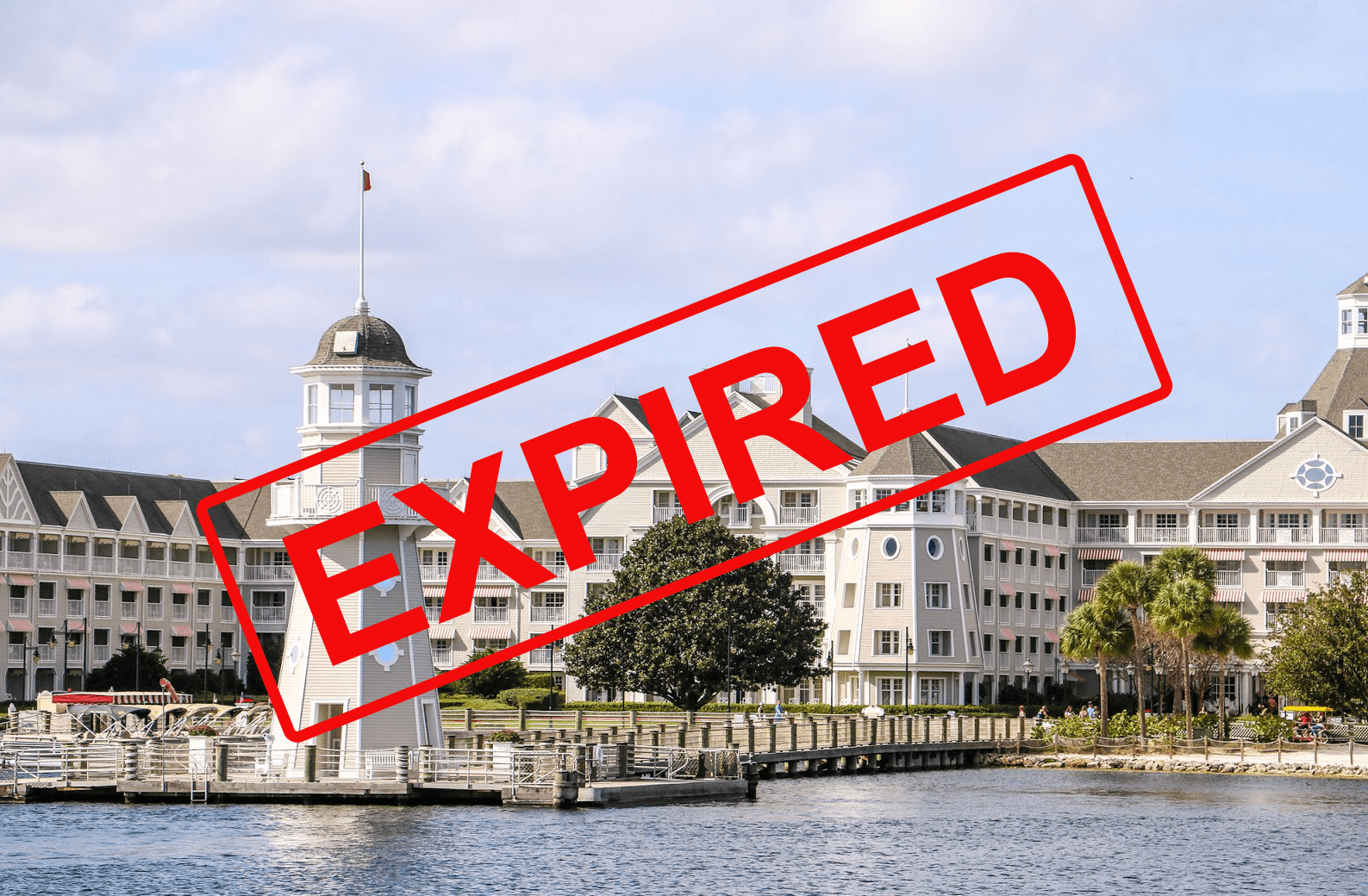
Understanding DVC Resort Expiration Dates
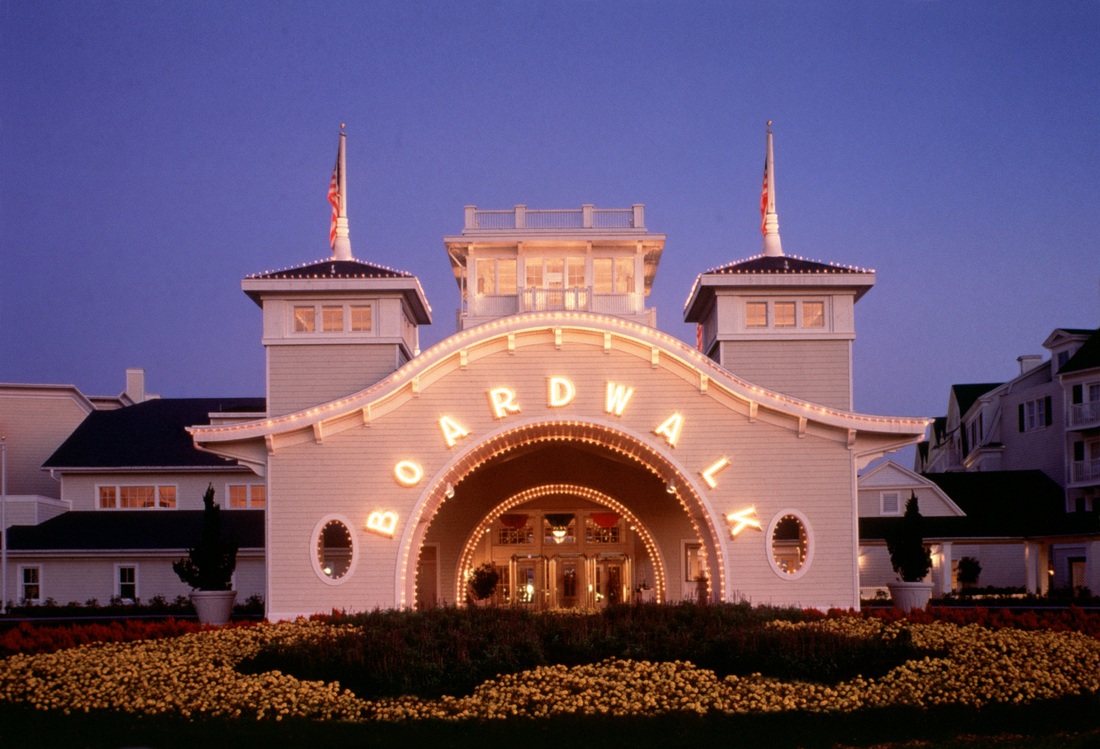
When you purchase a Disney Vacation Club membership, you're acquiring a leasehold interest with a specific end date. Unlike traditional real estate ownership, DVC contracts don't last forever. Each resort operates under a contract with Disney that expires on a predetermined date, and this expiration affects everything from your purchase price to your long-term vacation planning.
We've helped hundreds of families navigate these expiration dates over the years, and it's one of the most important factors in choosing the right DVC contract for your family. The key is understanding how these dates work and what they mean for your specific vacation plans.
How DVC Resort Expiration Works
Every DVC resort has a master lease agreement with Disney that establishes when the resort's operations will end. When that date arrives, the resort property returns to Disney, and all ownership interests terminate. This isn't something that happens gradually or varies by individual contracts. Every single ownership interest at a resort expires on the same date, whether you purchased directly from Disney in 1991 or through a resale broker last month.
For example, Old Key West contracts expire in 2042 unless Disney exercises its option to extend them to 2057. Saratoga Springs runs through 2054, while newer resorts like Riviera extend into 2070. The pattern is clear: newer resorts generally have longer remaining terms because Disney establishes these lease periods when the resort opens.
This structure creates an interesting dynamic in the resale market. A contract with fewer remaining years will typically cost less per point than one with more years left, but you need to consider the total value equation. A lower-priced contract might actually cost more per year of ownership when you do the math.
The Impact of Expiration Dates on Resale Value
Expiration dates create a natural depreciation curve for DVC contracts. As a resort approaches its expiration date, resale values generally decline because buyers are purchasing fewer years of vacation benefits. This isn't necessarily a negative thing. It just means you need to evaluate contracts based on cost per year of ownership rather than just the upfront purchase price.
Some families actually prefer shorter-term contracts. If your children will age out of Disney vacations in the next 10-15 years, or if you're not sure about your long-term vacation preferences, a contract with fewer remaining years might be perfect for your situation. You'll pay less upfront and won't be committed to decades of annual dues.
On our resale listings, we include the expiration date prominently so you can factor this into your decision. We've found that buyers who understand the expiration impact upfront make better decisions and are happier with their purchases long-term.
Calculating Value Beyond Purchase Price
Here's where the math becomes important. A $12,000 contract with 18 years remaining costs about $667 per year of ownership. A $20,000 contract with 40 years remaining costs $500 per year. Even though the second contract requires more money upfront, it delivers better long-term value if you plan to use it for the full term.
But this calculation only works if you'll actually use those extra years. If you're 65 years old and primarily vacation with grandchildren who are currently toddlers, you might get excellent value from a shorter-term contract. The key is matching the contract length to your realistic vacation timeline.
Annual dues add another layer to this analysis. You'll pay dues every year regardless of how often you vacation, so a longer contract means more total dues payments. Current annual dues range from about $7-$9 per point annually, and they increase most years to cover resort operating costs and capital improvements.
Choosing the Right Contract Length for Your Family
Most families benefit from thinking about their vacation patterns over the next 5-10 years rather than trying to predict their needs for the next 30-40 years. Children grow up, careers change, health situations evolve, and vacation preferences shift. A contract that works perfectly today might not match your needs in two decades.
If you have young children and envision regular Disney vacations for the foreseeable future, longer contracts with resorts like Polynesian (2066) or Riviera (2070) can provide decades of vacation flexibility. The higher upfront cost spreads across many years of use, and you lock in today's point values for future trips.
For families with teenagers or adult children, shorter-term contracts often make more sense. You can enjoy Disney vacations during the peak family years without committing to ownership beyond when you'll realistically use it. Resorts expiring in the 2040s still provide 15-20 years of vacation opportunities, which covers a lot of family trips.
The Extension Factor
Old Key West presents a unique situation because Disney has the option to extend these contracts from 2042 to 2057. This extension isn't guaranteed, and Disney hasn't announced their decision yet. If you purchase an Old Key West contract today, you're essentially purchasing through 2042 with the possibility of an additional 15 years.
We generally recommend that buyers don't count on the extension when making their purchase decision. If it happens, that's a bonus. If it doesn't, you've planned appropriately for the known expiration date. This conservative approach helps avoid disappointment and ensures you're comfortable with the contract terms as they stand today.
Practical Considerations for Contract Selection
Your home resort booking advantage deserves consideration alongside expiration dates. Owning at your preferred resort gives you an 11-month booking window compared to 7 months for other resorts. If you have a strong preference for a specific resort, this advantage might outweigh concerns about a shorter contract term.
For example, if you love staying at Beach Club and want to book during busy periods like Food & Wine Festival, owning Beach Club points (expiring 2042) might serve you better than owning points at a newer resort with a longer expiration. You'll have better access to your preferred rooms during your preferred travel dates.
Annual dues also vary significantly between resorts. Newer resorts sometimes have higher dues due to more extensive amenities and facilities. Older resorts might have lower dues but potentially higher special assessments for major renovations as they age. Review the current dues for any resort you're considering, and remember these will increase over time.
Consider your risk tolerance for resale value changes. Contracts with longer remaining terms typically hold their value better and sell more quickly in the resale market. If you think you might sell your contract before expiration, newer resorts with longer terms provide more flexibility.
DVC Resort Expiration Dates
Here are the current expiration years for DVC resorts:
- 2042 Expirations: Old Key West (with possible extension to 2057), BoardWalk Villas, Beach Club Villas, Boulder Ridge Villas, Hilton Head Island, Vero Beach
- Saratoga Springs: 2054
- Bay Lake Tower: 2060
- Disney's Grand Californian: 2060
- Aulani: 2062
- Disney's Grand Floridian: 2064
- Disney's Polynesian Villas: 2066
- Copper Creek Villas: 2068
- Disney's Riviera Resort: 2070
These dates are fixed and non-negotiable. When 2042 arrives, every Old Key West contract ends simultaneously, regardless of when it was purchased or how much was paid for it. This certainty actually helps with planning because you know exactly what you're purchasing and for how long.
Making Your Decision
The right expiration date for your family depends on your specific situation, vacation plans, and financial goals. We've seen families make great decisions with both short-term and long-term contracts because they chose based on their actual needs rather than trying to optimize for every possible future scenario.
When you're ready to explore DVC contracts, look at our current resale listings where we display expiration dates clearly alongside other contract details. You can also use our market analysis tools to compare cost per year across different resorts and contract lengths.
If you have specific questions about how expiration dates might affect your family's situation, our team can walk through the math with you. We've structured deals for families planning 10-year ownerships and others planning 50-year commitments, and both approaches can work well with proper planning.
The most important factor isn't finding the "perfect" expiration date but rather finding one that aligns with your realistic vacation timeline and financial situation. When those elements match, families consistently report high satisfaction with their DVC ownership, regardless of whether their contract expires in 2042 or 2070.
Owning at the Right Resort Changes Every Trip
Home resort selection is the most important decision a DVC buyer makes, and it's one that most people underestimate until they've been through a booking cycle or two. The 11-month booking window at your home resort is the mechanism that separates a good DVC experience from a frustrating one. Beach Club Villas members who want Christmas week at Beach Club book at exactly 11 months out, on the morning the window opens. By the time the 7-month window opens to all DVC members, Christmas week at Beach Club is completely gone. If you don't own there, you're not getting it during peak season.
That reality shapes which resort is worth buying. If your family takes spring break trips to Magic Kingdom every year, owning at a monorail resort like Bay Lake Tower, Polynesian Villas, or Grand Floridian gives you 11-month access to the rooms closest to Magic Kingdom. If EPCOT is your primary park, Beach Club or BoardWalk Villas puts you walking distance from the International Gateway entrance and locks in that access at 11 months.
Resale buyers get the full 11-month booking window at their home resort. The restrictions that Disney added in 2019 affect a few membership perks like Moonlight Magic events and the member lounge at Disney Springs. They don't affect the booking window, which is the contractual core of what you're buying. DVC Sales has current inventory at every DVC resort. Call us at (407) 205-1435 or browse active listings by resort to find the home resort that fits your travel pattern.






Got Something on Your Mind?
Your email address will not be published. Required fields are marked *